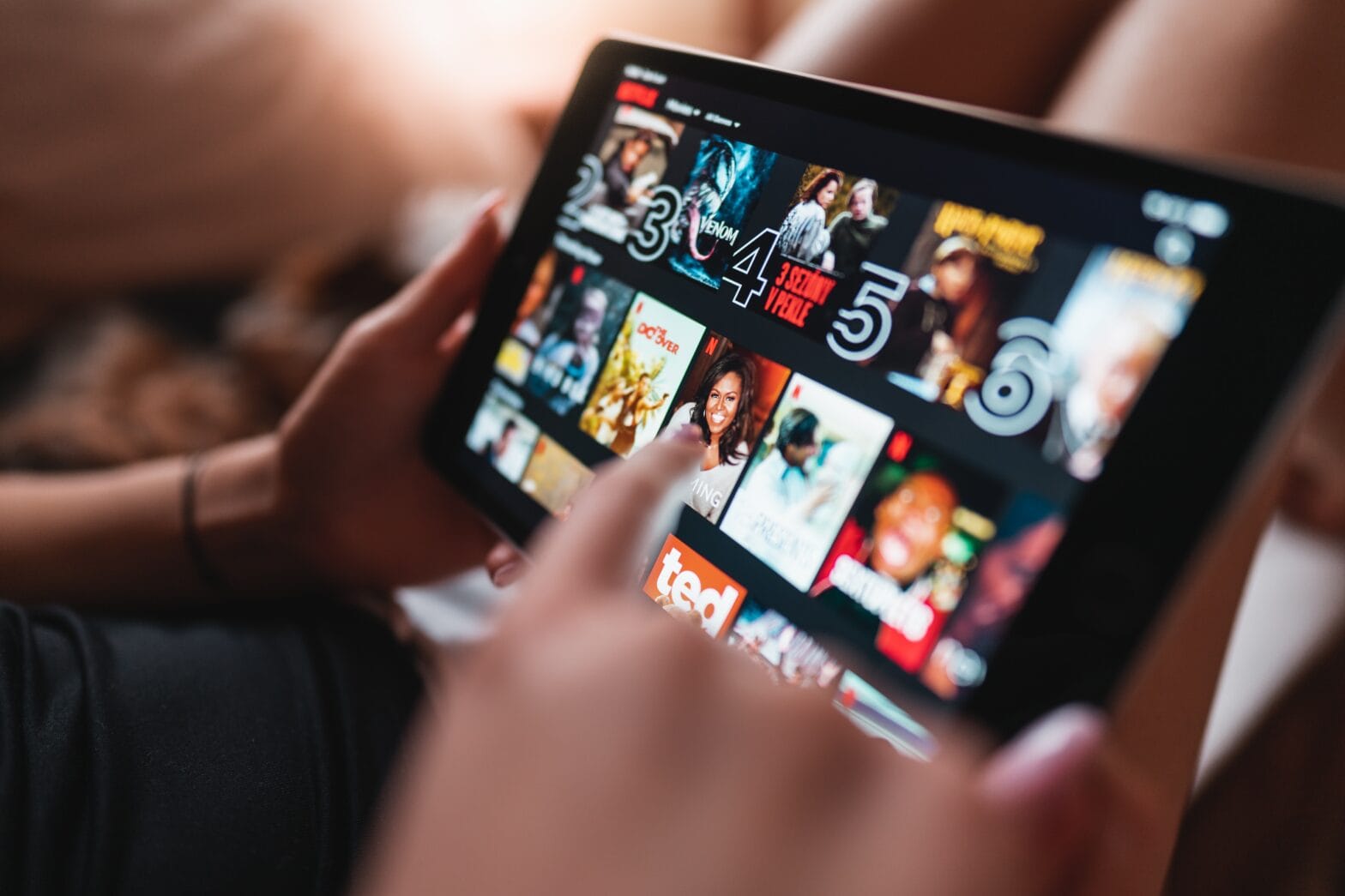
The breaks between seasons of TV series have more than doubled over the last decade. According to an analysis by Ampere, whilst longer waits increase interest in the return of popular shows, they also increase the risk that some viewers will cancel their streaming subscriptions during the break.
Does waiting for a new series of your favourite show feel like an eternity? Market research has revealed that this feeling is not just a figment of the imagination. Over the last ten years, the time between seasons has lengthened on average from 10 months to 21. As has become apparent over the years, this is a tried-and-tested tactic for attracting greater attention from TV viewers.
This trend has been confirmed by data from a survey conducted by Ampere. Perhaps the most striking examples are the series Wednesday and Stranger Things, which is the most successful series in history. It boasts not only a massive marketing budget but also the longest breaks between seasons.
Despite fans’ outrage, Ampere believes this tactic works, pointing out that series with gaps of more than 30 months between seasons achieved the highest viewer engagement rates in the month of the new season’s premiere. Viewership of *Stranger Things* rose by 300 per cent in the second half of 2025 ahead of the release of the fifth and final season, Ampere reported, with the particularly high viewership of the first season suggesting that new viewers were discovering the series and existing fans were revisiting earlier episodes.
It should be noted that this trend carries a not inconsiderable risk of subscriber churn. For example, in the first quarter of 2026 in the US, 54 per cent of respondents to an Ampere survey stated that they would likely cancel their subscription if they did not use it often enough.
Christen Tamisinová, a senior analyst at Ampere, said: “Streaming services must strike a balance between the production schedule for major hits and a steady stream of content. Whilst longer breaks may build anticipation for flagship titles, they can also prompt viewers to cancel their subscriptions and only return once major series are back on screen.”
Source: mediaguru.cz