
THEME OF THE MONTH: TV CONNECTS

For many decades television has been an integral part of our life. With the development of technology, there were also evolving the formats that television offers to the viewers. Also the forms in which TV presents them is continuously changing. In the world of total video, there are more and more possibilities how and where to watch TV. Whether it is live broadcast, time-shift or streaming, wheater its in any location thanks to mobile TV or on a big screen at home.


According to Nielsen Admosphere research, LSS 2020, up to 62% of TV viewers say they prefer to watch TV with someone else (family, friends, etc.). The proportion of men and women is the same and the older age group is most in line with this declaration.


The living room is the right place where the television becomes the centre of family entertainment and where the TV screen connects our daily lives in good times but also in times of crisis.


In ScreenVoice magazine, we bring you a summary of the role that television has played in the presentation of brands during the pandemic. And in the selection of articles below, we bring you those, that mention, how television can bring our society together again.

MORE ARTICLES ABOUT THIS TOPIC


COLOURS OF OSTRAVA TO WELCOME NEW BRAND ACTIVATIONS

15. 7. 2026

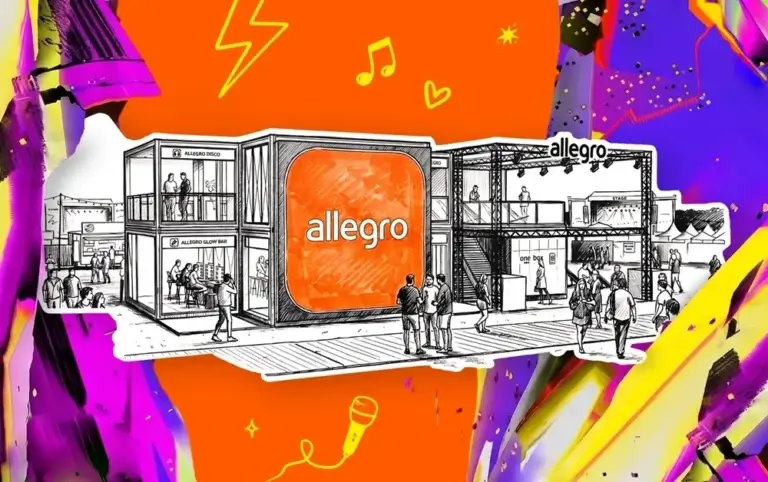
Colours of Ostrava is expanding on-site brand activity with new main partner Allegro, first-time partner Decathlon, and an enlarged Tic Tac presence tied to the launch of Tic Tac Two. Allegro’s 23 × 10-metre, two-storey Wishlist Zone near the main entrance will run from Wednesday to Saturday, combining relaxation, creativity and entertainment. Decathlon’s debut Playground will add sports challenges, daily exercise classes and a Social Run, while Tic Tac is doubling the size of its festival zone after last year’s activation drew tens of thousands of visitors over four days.

THE CZECH FINAL AT WIMBLEDON WAS THE MOST-WATCHED PROGRAMME ON SATURDAY

12. 7. 2026

Prima’s live broadcast of the all-Czech Wimbledon women’s final became Saturday’s most-watched programme, averaging 764,000 viewers aged 15+ and a 36.95% share, with viewership peaking at around 900,000. The match also lifted Prima to the highest all-day market share on 11 July at 31.39% in the 15+ group, while prime-time share exceeded 39%. Beyond the ratings win, the broadcast highlighted Prima’s sports strategy: it secured the match via a Warner Bros. Discovery sub-licence, dropped its main news bulletin to carry the final, and used the event to promote the upcoming Prima sport channel.

STUDIE USA: LIVE SPORTS INCREASINGLY INFLUENCING VIEWERS’ STREAMING SUBSCRIPTION CHOICES

8. 7. 2026

Bango research based on a representative sample of 2,500 U.S. adults found that 43% of Americans would switch their mobile, broadband, or TV provider for a better sports streaming bundle, underscoring live sports as a major churn and acquisition lever for telcos. The study also shows sports can rival price in provider choice, with 45% preferring a stronger sports bundle over a lower monthly price and 42% willing to pay more if their current provider included the sports they want. Fragmented sports rights are creating a bundling opportunity: 52% said they would trust their own provider above anyone else to bring the live sports they care about into a single package, while 46% said such a bundle would increase loyalty and 49% said it would make them more likely to recommend their provider.

SPORTS KEEPS VIEWERS CONNECTED TO TRADITIONAL TELEVISION

6. 7. 2026

Inscape’s Q1 2026 data shows average weekly sports viewing rose to 1.8 hours, up 0.3 hours year over year, with more than 66% of viewing still coming through cable, satellite, and OTA platforms. Streaming accounted for 12% of sports viewing time, up from 11.5% a year earlier, signaling gradual digital gains as leagues and media companies expand streaming distribution. For media and advertising leaders, the report reinforces live sports as a core driver of linear and vMVPD engagement, even as shifting rights strategies make sports viewing trends a critical indicator of where the TV business is headed.

THE FOOTBALL WORLD CUP FROM THE PERSPECTIVE OF BRANDS AND MARKETERS

3. 7. 2026

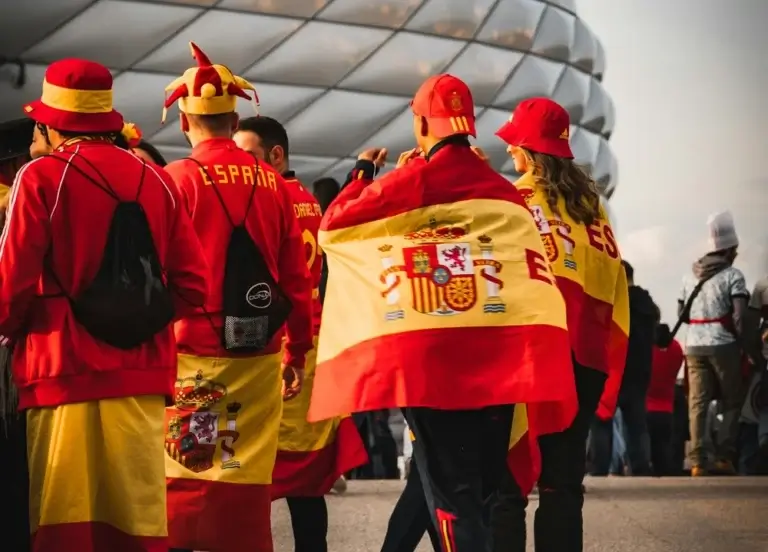
The World Cup remains a uniquely scaled media property, with an estimated 1.2 billion viewers for the opening ceremony and match, a planned expansion to 48 teams and 104 matches, and FIFA estimating a USD 40.9 billion contribution to global GDP. For marketers, the opportunity is broad but budget growth is limited: communications tied to the tournament are estimated at USD 10.5 billion, with only a 1.1 per cent increase, making reallocation and channel strategy critical. Consumption is also fragmenting fast, as linear viewing declines while 71 per cent of viewers use additional screens during matches and 86 per cent plan to follow key moments across social media, video platforms, apps or podcasts. Brands cannot rely on live broadcasts alone; athlete-led influencer marketing, platform-specific content and category plays in betting, food delivery and home entertainment are becoming central to capturing tournament attention.

PRIMA SPORT IS SET TO ENTER THE FREE-TO-AIR TV MARKET; NOVA AND O2TV HAVE PREVIOUSLY PAVED THE WAY

1. 7. 2026

Prima Group is preparing to enter Czech free-to-air sports TV through the takeover of Sporty TV, giving the smaller channel the backing of a major broadcaster and a clearer route to viewers and advertisers. The move follows earlier terrestrial sports experiments from Nova, O2TV Free, Slovak Sport and Sport 5, underscoring how difficult the segment has been to sustain despite premium rights and hybrid distribution models. Pressure on Czech public service media and uncertainty around ČT sport could create an opening for Prima, but the group’s past sports efforts also show that audience traction does not automatically translate into a durable long-term position.

ONEPLAY IS PLANNING MAJOR CHANGES TO ITS BROADCASTING OF THE FOOTBALL CHANCE LEAGUE. THE NEW STUDIO WILL ACCOMMODATE 80 SPECTATORS

30. 6. 2026

Oneplay Sport is preparing one of the biggest transformations in its history ahead of the new Chance Liga season, including a move to a new studio at Stages Praha and the introduction of programmes with a live studio audience. The new facility will include a visitor area for up to 80 spectators, expanding production beyond TIKI-TAKA as the broadcaster plans additional audience-led formats and a major season-opening event with the League Football Association. The service will also add new technological elements to its broadcasts as the 2026/27 Chance Liga season begins on 25 July, while retaining exclusive rights to the competition. The push follows strong momentum for the property, with Chance Liga viewership on Oneplay up 23% year on year last season and the March Slavia-Sparta derby setting a channel record with 724,445 viewers.

ONEPLAY IS ADDING PODCASTS, UPDATING THE PIN ENTRY PROCESS AND EXPANDING ITS SPORTS STATISTICS

24. 6. 2026

Oneplay’s June update adds podcasts to the News section and relevant genre categories, with mobile playback continuing even when the phone screen is locked. The platform has also streamlined parental PIN entry by removing repeat verification during autoplay when the next programme has the same or lower age rating, while keeping checks for higher-rated content. Oneplay is also expanding its Formula 1 offering with detailed statistics in the player and on competition detail pages, extending a data feature already used for the NHL, Chance League and Tipsport Extraliga.

THE WORLD CUP WILL CAPTURE YOUNGER CONSUMERS’ ATTENTION AND BUDGETS

8. 6. 2026

Brands across retail, restaurants, and beer are using the 2026 FIFA World Cup to drive awareness and spending, from Target’s host-city tour and Adidas’ Nordstrom activations to limited-time menus and major beverage campaigns. The audience skews younger and more diverse, with 40% of Gen Zers and 39% of millennials planning to watch, while nearly 89% of viewers expect to make a related purchase with an average spend of $74. That positions the tournament as a meaningful commercial moment, even as softer travel demand and high costs temper broader economic expectations.

SURVEY USA: JUST 13% OF U.S. VIEWERS ‘TYPICALLY’ PLAN TO WATCH WORLD CUP

8. 6. 2026

Only 13% of U.S. online adults surveyed said they typically watch World Cup matches, far below the U.K.’s nearly half and below the 28%–43% range reported across other surveyed markets, according to S&P Global Market Intelligence. The data indicates U.S. men’s World Cup viewing still trails Europe and Asia-Pacific even as interest in soccer grows and FIFA World Cup 2026 viewing is projected to rise. For media and advertisers, the audience skews heavily male in the U.S., while strong overlap with football and basketball fandom points to cross-sport targeting opportunities.

THE FOOTBALL CHANCE LEAGUE HAS ATTRACTED MORE VIEWERS TO ONEPLAY, WITH A 23% INCREASE OVER THE PAST YEAR

5. 6. 2026

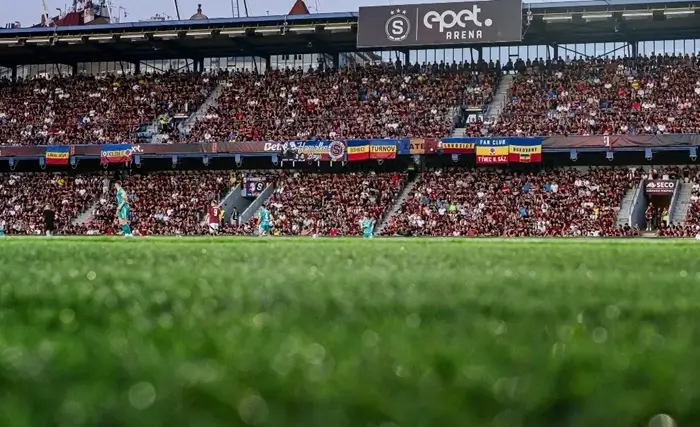
Chance League broadcasts on Oneplay Sport delivered a more than 23% year-on-year rise in viewership last season, extending the competition’s TV audience growth to roughly a third over two seasons. The March Slavia-Sparta derby became the most-watched broadcast in Oneplay Sport history, drawing 724,445 viewers according to O2 data. For media and marketing stakeholders, the figures reinforce Czech league football’s growing value as a broadcast product, with the LFA and Oneplay Sport linking momentum to stronger fan demand, enhanced viewing features, and related formats such as Tiki-Taka.

STUDY: LATE WORLD CUP KICK-OFFS TO CHANGE UK VIEWING HABITS, SAYS EE

4. 6. 2026

EE research indicates late World Cup kick-offs across North America are set to reshape UK viewing habits, with more than 80% of fans expecting match timing to affect how many games they watch live and a quarter planning to prioritise only the biggest fixtures. The findings also underline a major distribution challenge: 93% say live matches should be shown with as little delay as possible, while 79% would be upset if they learned about a goal before seeing it on screen. Younger audiences appear especially likely to fragment viewing across platforms, with only 30% of 18-24-year-olds expecting to use traditional broadcast TV and 43% planning to use social media for updates or highlights. For broadcasters, platforms and advertisers, the takeaway is clear: reliable, low-latency connectivity will be critical as fans shift between live streams, clips, social feeds and catch-up viewing.