

What you will find in the article
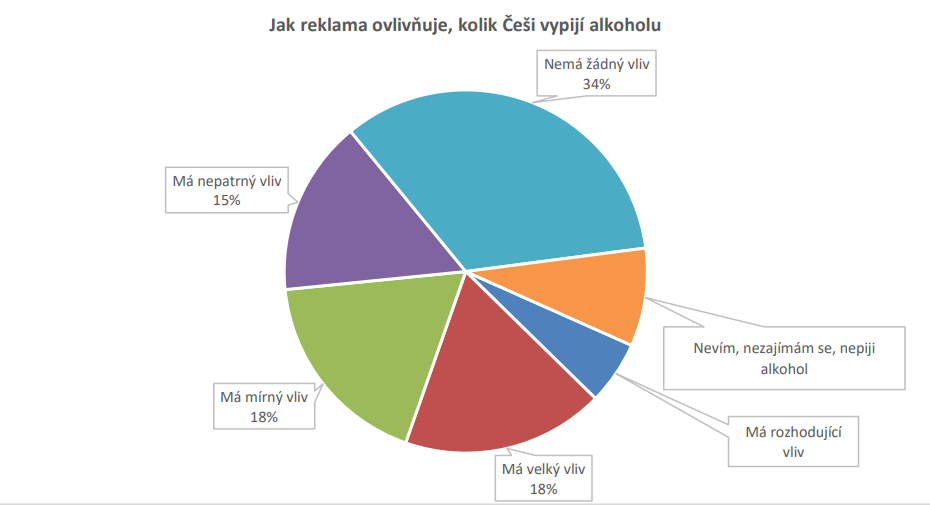
- Most Czechs view advertising as negligible in alcohol consumption.
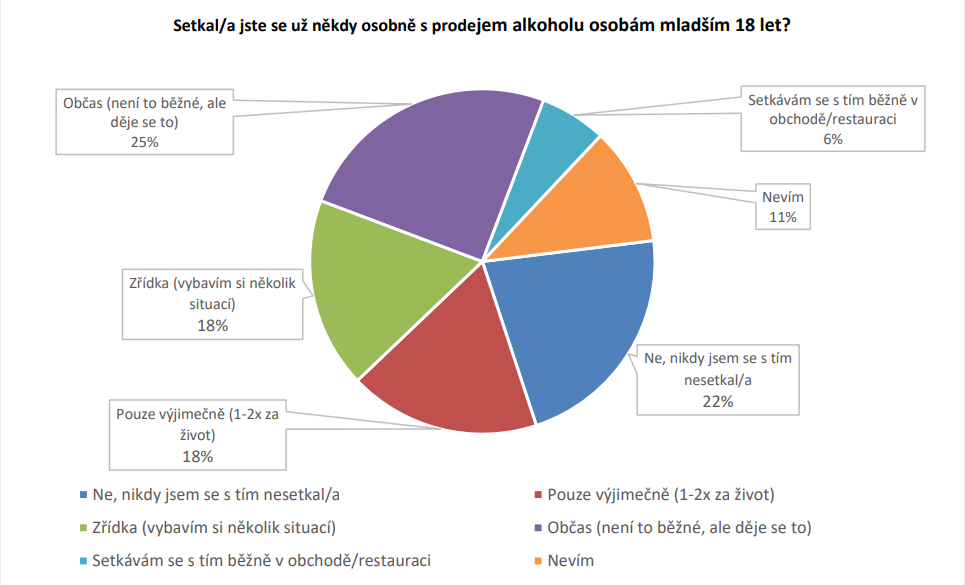
- Drink-driving and sales to minors are seen as major issues.
- 92% identify drink-driving as a serious problem.
- Support for stricter measures against underage alcohol sales is high.
- 55% consider self-regulation of advertising a useful tool.
Most Czechs do not believe that advertising has a significant influence on the amount of alcohol consumed. On the contrary, they regard drink-driving and the sale of alcohol to minors as the biggest problems associated with alcohol. This is according to a survey by Ipsos for the Advertising Council, which examined public attitudes towards alcohol consumption, regulation and self-regulation of advertising.
According to the survey results, half of the respondents consider the influence of advertising on the amount of alcohol consumed to be negligible or non-existent. Only six per cent of those surveyed described advertising as a decisive factor influencing alcohol consumption.
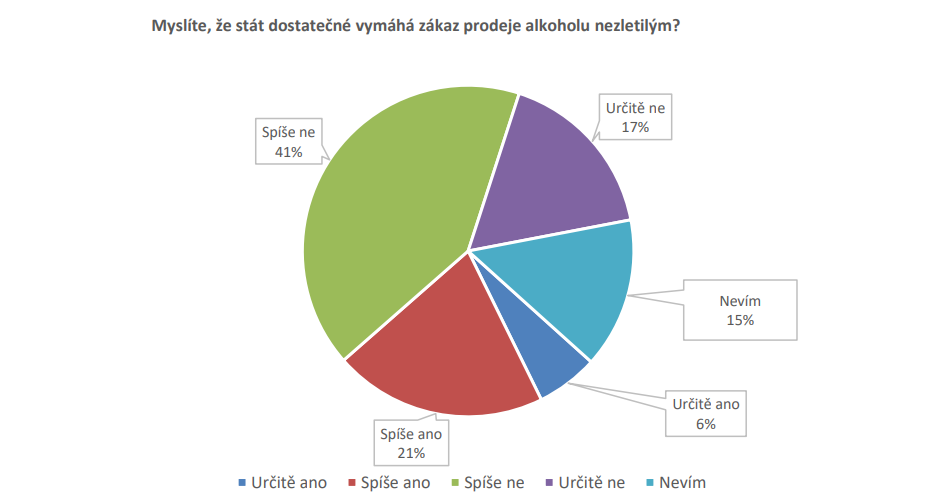
The survey also showed that the public regards risky behaviour and failure to comply with existing rules as the most serious problems associated with alcohol. 92 per cent of respondents identified drink-driving as a serious problem. This was followed by the sale of alcohol to under-18s and excessive alcohol consumption, both of which were perceived as problematic by 87 per cent of those surveyed. Alcohol consumption by minors is regarded as a serious problem by 85 per cent of respondents, whilst 82 per cent consider the inadequate enforcement of laws governing the sale of alcohol to be a problem.
This is also reflected in the preferences for the proposed measures. The measure receiving the most support was more frequent police checks on drivers for drink-driving, which 42 per cent of respondents would welcome. People also support more rigorous checks on the sale of alcohol to minors and stricter penalties for breaches of the rules in this area; both measures were backed by 38 per cent of respondents.
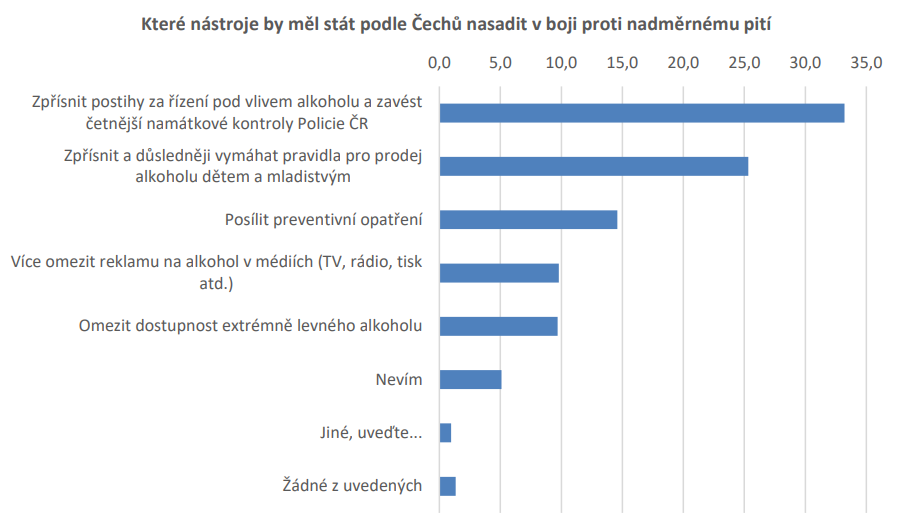
If the state were to focus on just one area, a third of respondents would prioritise tougher penalties for drink-driving and more frequent spot checks. A further 25 per cent would focus on more rigorous enforcement of the rules governing the sale of alcohol to minors. Approximately ten per cent of respondents identified restrictions on alcohol advertising as a priority.
The survey also focused on the self-regulation of advertising. Fifty-five per cent of respondents described it as a useful tool for setting and monitoring rules. In the field of alcohol advertising, self-regulation operates alongside statutory rules and, according to the Advertising Council, allows for the setting of stricter standards than those required by legislation.
 Source: ‘Regulation of Alcohol Consumption’ survey, Ipsos for the Advertising Council, August 2026, 1,042 respondents
 Source: ‘Regulation of Alcohol Consumption’ survey, Ipsos for the Advertising Council, August 2026, 1,042 respondents
 Source: ‘Regulation of Alcohol Consumption’ survey, Ipsos for the Advertising Council, August 2026, 1,042 respondents
 Source: ‘Regulation of Alcohol Consumption’ survey, Ipsos for the Advertising Council, August 2026, 1,042 respondents
The Ipsos survey for the Advertising Council was conducted in August 2026 amongst a sample of 1,042 respondents. It can be downloaded here.
Source: mediaguru.cz