
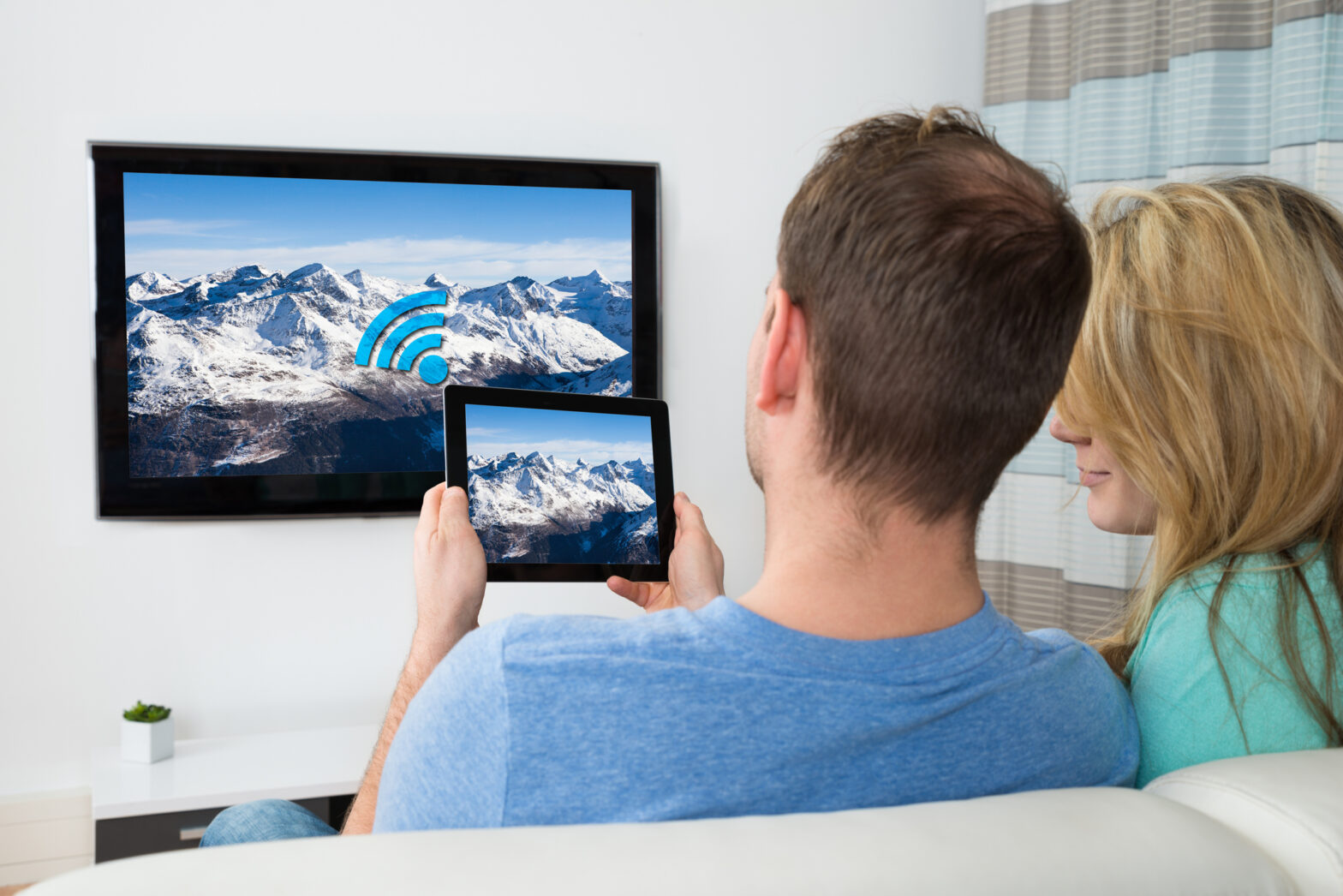
Whilst for older generations, watching a film remains an inviolable ritual, boomers often exhibit habits that are utterly incomprehensible to younger generations. A typical example is idly watching the closing credits or ignoring the ‘Skip Intro’ button. For Gen Z, however, passivity is the enemy, and every second of irrelevant content represents a waste of time, which spoils the overall experience. At a time when viewers decide where to direct their attention based on the first two seconds, linear TV is at a disadvantage simply because programme intro sequences take longer.
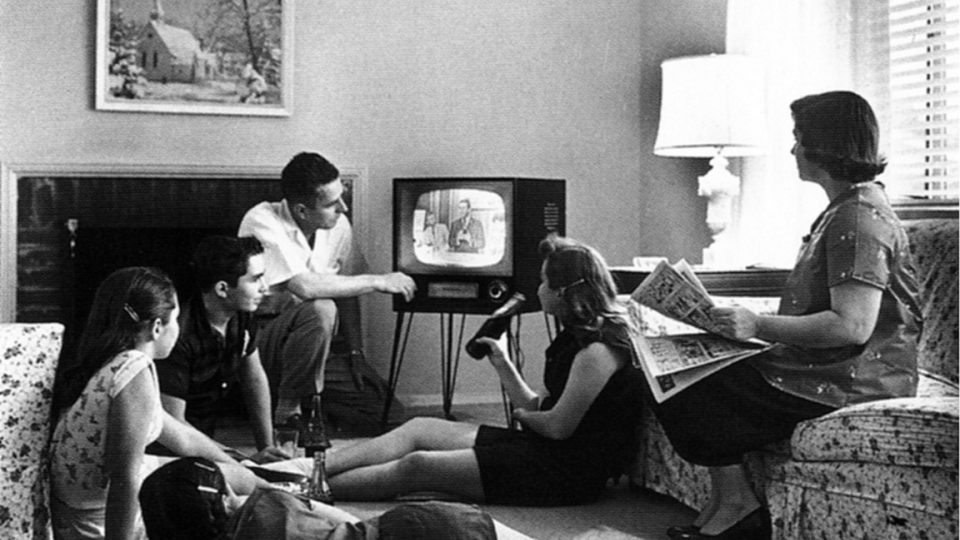 Source: rozhlas.cz, photo: Public domain, Evert F. Baumgardner
Another trend among the younger generation is the widespread use of subtitles, even for programmes in their native language. Yougov data reveals that approximately 60 per cent of viewers under the age of thirty watch programmes in this way, compared to 27 per cent of baby boomers. This phenomenon, often referred to as ‘silent viewing’, allows for better processing of dialogue in noisy environments or whilst multitasking. Whilst older viewers perceive subtitles as a distraction, Gen Z sees them as a tool for increasing information density and maintaining attention in an environment that constantly provides further stimuli.
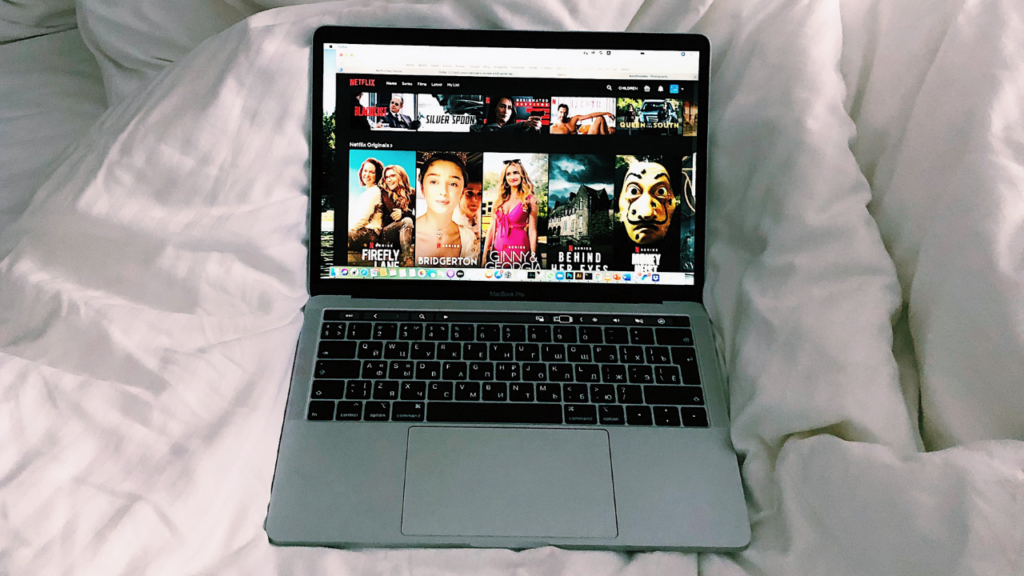
Why is an iPad in bed winning out over the TV in the living room?
One of the most striking shifts is the move away from the big screen in favour of personal devices. The 2025 Deloitte Digital Media Trends study confirms that Gen Z spends more time playing video games and watching user-generated videos on social media than watching traditional films and series. This trend is also reflected in hardware choices. Laptops, tablets and smartphones are now clearly winning out over the TV, for purely pragmatic reasons:
- Mobility: Content moves with the user from the bed to the kitchen, from the train to the toilet. Television, by contrast, is fixed to a single wall, which is limiting.
- Ergonomics of control: For a generation raised on touchscreens, interacting with a TV remote control is slow and frustrating. Searching and switching between apps is significantly easier with a touchscreen.
- Personalisation: A mobile device is a private space, whereas a TV in the living room requires compromise with other members of the household. This runs counter to the ‘on-demand’ approach.
 Source: Canva.com
The Double Screening Phenomenon
The term “watching TV” is essentially an oxymoron for young adults today; double screening (using a second device whilst watching TV) has become the norm. Deloitte data suggests that up to 80% of young adults regularly and actively use their phones whilst watching TV.
In many cases, however, this is a deliberate extension of the experience. Users search for information about actors in real time, discuss the plot on platforms such as Discord, or check social media during slower passages. For older generations, this behaviour is seen as ruining the artistic experience. For young people, however, it is the only way to keep their brains sufficiently stimulated when the linear pace of the narrative does not match their speed of information processing. If the plot stagnates, double-screening is one way to satisfy a brain accustomed to the dopamine rush from short, fast-paced formats such as Instagram Reels or TikTok videos.
Gen X as the last ‘entertainment bridge’
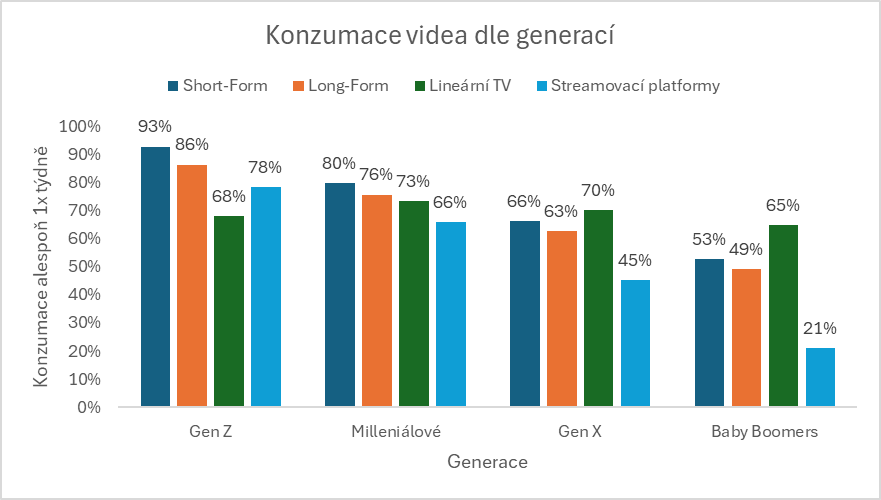
Generation X plays an interesting role in this digital divide. Research by Kagan US Consumer Insights identifies Gen X as the group that bridges the so-called ‘entertainment divide’ between Boomers and Gen Z. Members of Generation X have retained their parents’ respect for big screens and linear storytelling, whilst fully embracing the freedom of streaming and digital tools. They are the ones who benefit most from technological progress, yet do not lose the ability (or willingness) to focus on a single narrative for two hours without feeling the need to check their phones.
 Source: GWI
How is this affecting emerging content?
This shift in behaviour is already having a significant impact on emerging content. Modern series and films, particularly those produced by VOD platforms such as Netflix, are beginning to adopt the dynamics of social media. We see faster editing, shorter scenes and more visually aggressive elements, all aimed at a single goal: winning the battle against the phone in the viewer’s hand.
Television as a medium is not dying, but its dominance as the ‘ruler of the living room’ has definitely come to an end, at least for younger generations. After all, the viewer is just a thumb swipe away from the next stimulus, a move they are willing to make practically at any time. Not just when an advert appears on the screen, but also when the content ceases to entertain them, even if only for a moment.
Source: mam.cz