


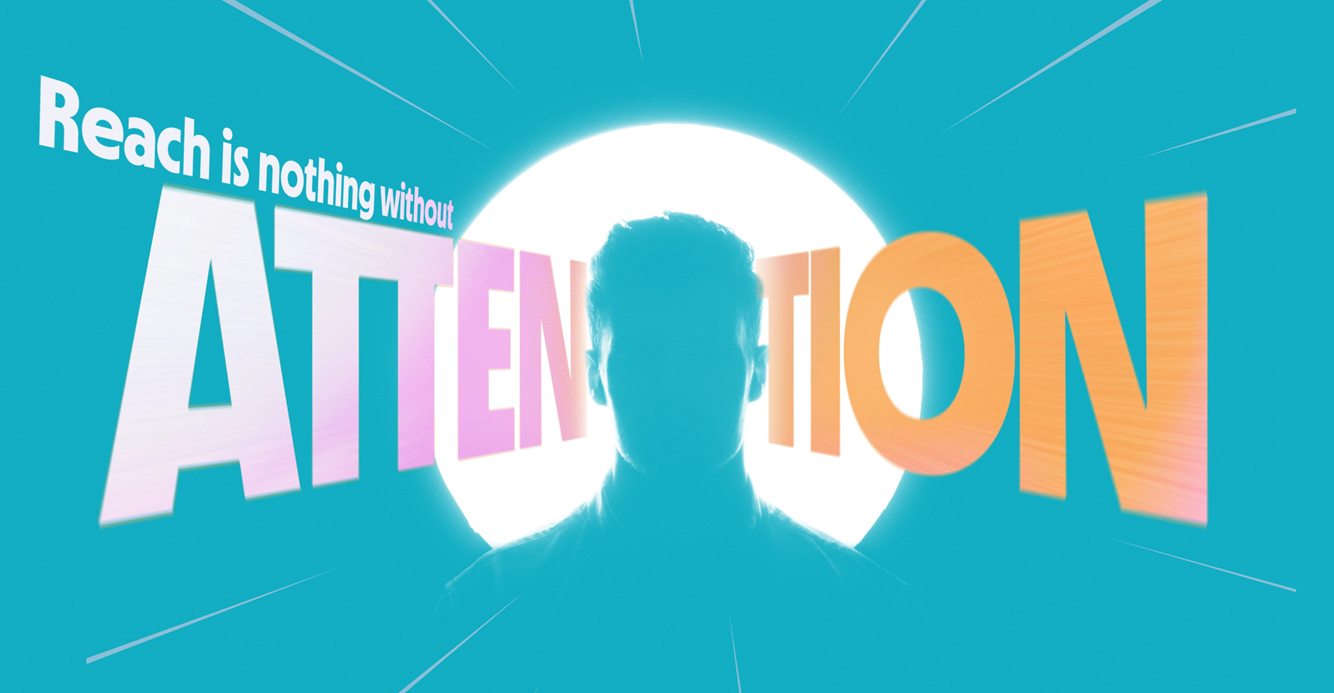
The strategic response: the TV advertising paradox.
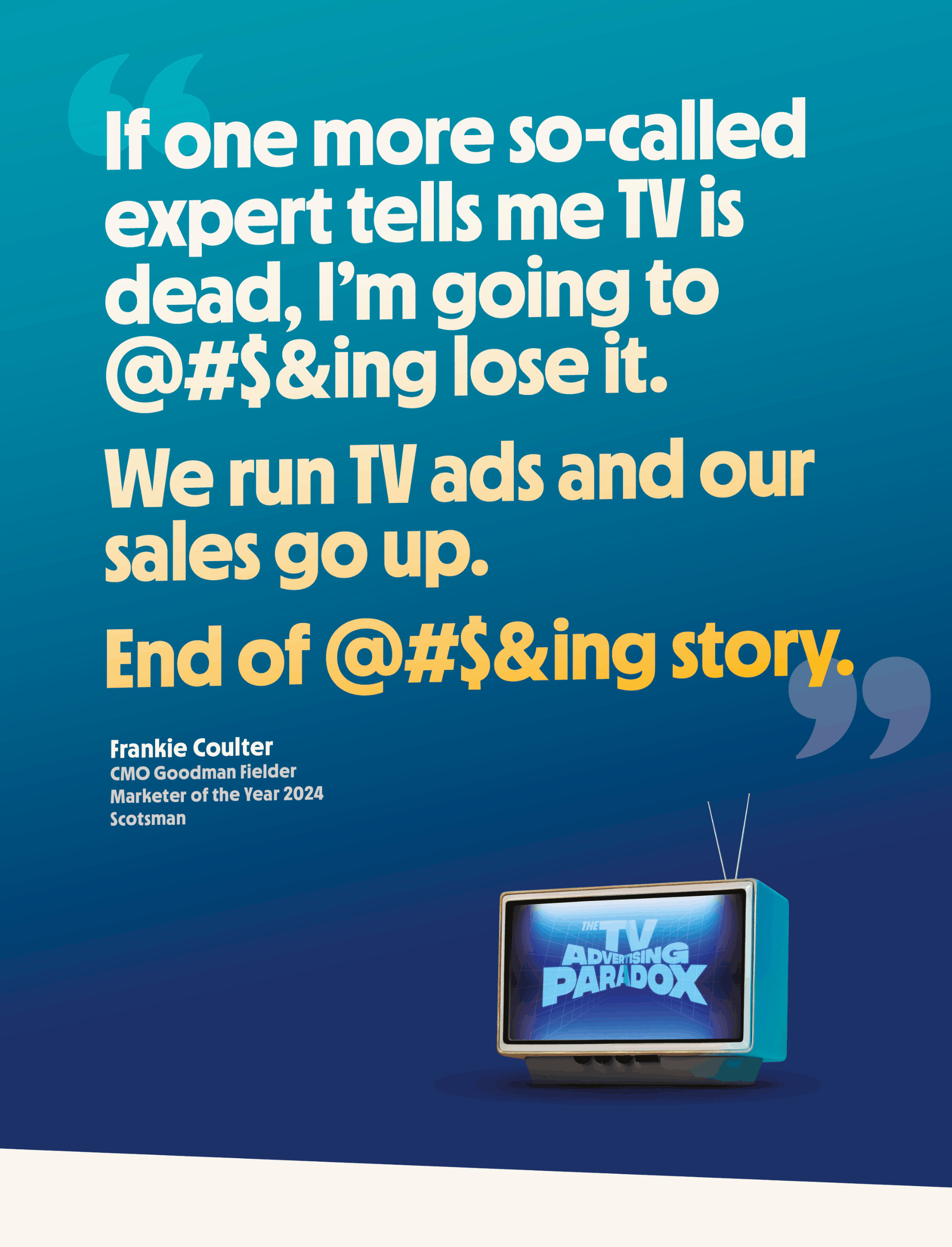
The TV Advertising Paradox did not begin as a creative idea in search of a problem. It emerged as the strategic response to what the market review revealed. At the centre of the response sat a contradiction that could not be ignored. Linear television was being described as dying, even as it continued to deliver scale, attention, and commercial outcomes. It was being positioned as old hat, even as it remained the strongest home of brand. It was being talked about as if it had already passed its use by date, while still doing the job brands need mass media to do.
That contradiction became the organising idea for the campaign. The paradox was not invented. It was uncovered. It gave ThinkTV a way to express the problem with precision and force, without falling into self interested broadcaster advocacy. Instead of arguing that television deserved more love, the campaign asked a more confronting question. If the medium is still doing what it has always done best, why has the market stopped valuing it properly?
How can something be seen as dead, and still be so alive?
Strategy
The strategic response required discipline. A broadcaster led argument on its own would not have had the credibility needed to shift behaviour. The task was to reintroduce evidence in a way that allowed the market to challenge its own assumptions and reach its own conclusions.
This required two things. First, the evidence had to come through credible voices. Second, it had to be placed directly in front of the people who were influencing and making investment decisions. From ThinkTV’s perspective, that meant focusing on where the money began. The primary audience was CMOs, not agencies. Agencies mattered and had influence, but the real decisions sat with marketers. CFOs were also critical because the performance narrative had found particularly fertile ground there. If the campaign could equip CMOs to challenge agency thinking and give CFOs a stronger basis for understanding television’s value, it had a greater chance of shifting the system.
The goal was not to close the sale. The goal was to open the conversation.
The visual anchor
At the heart of the campaign sat a single visual provocation. A small television screen displayed the data in plain sight. Reach remained stable. Investment was falling. That visual appeared on the inside front cover of the magazine so it hit the reader at the very start.
TV reach is stable. Why is investment falling?

This image did more than illustrate a point. It distilled the contradiction into one moment. It made the paradox immediate and difficult to dismiss. How could a medium supposedly in decline still be delivering the audience and outcomes the market claimed to want, while investment moved elsewhere?
The magazine platform
The centrepiece of the campaign was a standalone 80 page edition of NZ Marketing magazine. This was deliberate. ThinkTV did not want a short lived burst of communication that would disappear inside a daily news cycle. It wanted a high quality, enduring asset that could sit on desks, be passed around offices, be revisited in meetings, and act as a credible reference point over time. A total of 4,000 magazines were printed and distributed directly to CMOs, CFOs, leading marketers, agencies, and key decision makers across New Zealand.
The scale and quality of the publication were central to its role. This was not a brochure. It drew on highly respected global experts, leading New Zealand marketers, and emerging voices who could challenge the assumption that television belonged only to an older era. Peter Field and Karen Nelson Field brought recognised international authority. Leading local marketers brought lived market relevance. The mix mattered because it challenged the myth from multiple angles. Television was not being defended by broadcasters alone. It was being examined and affirmed by people with evidence, commercial credibility, and contemporary relevance.
Execution across channels
The campaign was executed as a coordinated system rather than a single burst of communication. Out of home ran for eight weeks and gave the campaign presence and visibility across the market. Television ran for four months and acted as proof in real time, demonstrating the very scale, attention, and live relevance that the campaign was arguing for. The medium was not just the subject of the case. It was part of the evidence.
A dedicated ThinkTV website acted as a central hub for the campaign. It hosted articles, research, commentary, and practical material that extended the life of the argument. The site was visited thousands of times. It also hosted downloadable assets, described internally as nickables, that agencies could take and use in their own conversations.

Debate, reaction, and behaviour change
LinkedIn became a major stage for the campaign once it launched. The paradox entered industry conversation quickly and with force. Marketers began publicly questioning agency recommendations and the increasing reliance on YouTube. For the first time in this market, YouTube was not just being debated by broadcasters. It was being openly confronted by marketers themselves.
The reaction was telling. According to feedback from the market, private meetings were held with agencies as YouTube sought to reinforce its position and counter the emerging narrative. There was also visible aggression in some of the public debate, particularly on LinkedIn, where the tone of response suggested a platform unused to being challenged in this way. Within three months of launch, YouTube’s growth showed signs of impact, while television saw an increase in commercial load.
The campaign started a conversation. It also began to change behaviour.
Findings and implications
The broader implication of the campaign is clear. A market that confuses measurable immediacy with effectiveness will distort its own decision making. A market that accepts shallow attention as enough will undervalue media that creates deeper attention. Television’s role has not diminished. What has diminished is the market’s understanding of it.
Next steps
The conclusion of the case study is not that the work is finished. It is that the work now has to move from provocation into education and practical enablement. Television needs to improve how it educates new marketers and agency people. The review made clear that a generation has come through with less grounding in reach, attention, and long term effectiveness. That gap will not close by itself.
At the same time, television needs to develop tools that CMOs, and importantly CFOs, can lean into. The battle is increasingly being fought in the data area, and that is where YouTube leads and gains share of wallet that should otherwise be going to television. If the market is rewarding what it can easily see, then television needs to make its strengths more legible without reducing them to the wrong measures. The next phase also needs to extend into the areas where television already holds real territory, especially attention, and use the website content, expert voices, and nickables more aggressively as tools for education and influence.
Conclusion
The TV Advertising Paradox was the strategic response to what the full market review revealed. It translated diagnosis into provocation, evidence into conversation, and conversation into behavioural change. It reminded the market that television, especially linear television, had not stopped doing the job brands need it to do. It had simply stopped being understood in the way it once was.
Television is not dying. Understanding of it is.
Source: egta.com
OTHER CASE STUDIES
CHANNEL 4 SALES TURNS EXISTING TV ADS INTO ENHANCED STREAMING FORMATS
2. 10. 2026Channel 4 Sales launched Enhance in June 2026, the broadcaster’s new suite of CTV streaming ad…
MFE ADVERTISING: SCALING AI-POWERED CONTEXTUAL ADVERTISING ACROSS EUROPE
28. 9. 2026From Spain to Italy, MFE Advertising is using AI and HbbTV to make programme context an…

HOW DPG MEDIA TURNS THE BACKSTAGE OF A PRIME-TIME MUSIC SHOW INTO A RETAIL ENGINE
17. 8. 2026In a category where retailers typically compete on price and visibility, Albert Heijn, the supermarket retailer,…

AN IMMERSIVE CANAL+ BRAND SOLUTIONS COLLABORATION FOR SKIN-CARE BRANDS WITH SENSITIVE STORIES TO TELL
26. 6. 2026CANAL+ BRAND SOLUTIONS and its in-house studio LA FACTORY created “Marquer l’Invisible” for Avène, linking Cicalfate+…

M6 UNLIMITED TESTS AI SPOT CREATION FOR SMALLER TV AND STREAMING ADVERTISERS
22. 5. 2026M6 Unlimited is testing a simpler route into TV and streaming for SMEs and new advertisers…
THE TV ADVERTISING PARADOX, A THINKTV NEW ZEALAND CASE STUDY (2/2)
22. 5. 2026ThinkTV New Zealand built its campaign around the contradiction that linear TV was being called obsolete…

A BIG-SCREEN STUDY FINDS STRONGER ATTENTION ON TV4 PLAY THAN ON YOUTUBE
24. 4. 2026TV4 just launched its third attention study, comparing the viewing experience on its streaming service (TV4…

THE TV ADVERTISING PARADOX, A THINKTV NEW ZEALAND CASE STUDY (1/2)
24. 4. 2026In late 2024, ThinkTV New Zealand, under the leadership of Jacqueline Freeman, GM Communications, undertook a…

AD EMISSIONS MEASUREMENT: LESSONS FROM THE FINNISH MARKET
31. 3. 2026Finland’s commercial TV broadcasters spent the past year developing a carbon emissions measurement framework for linear…
A NEW WAY FOR FRANCETV PUBLICITÉ TO SELL CONTEXTUAL VIDEO ADVERTISING
27. 3. 2026FranceTV Publicité (FTP), the advertising sales house for French public television, has introduced Context.IA into its…
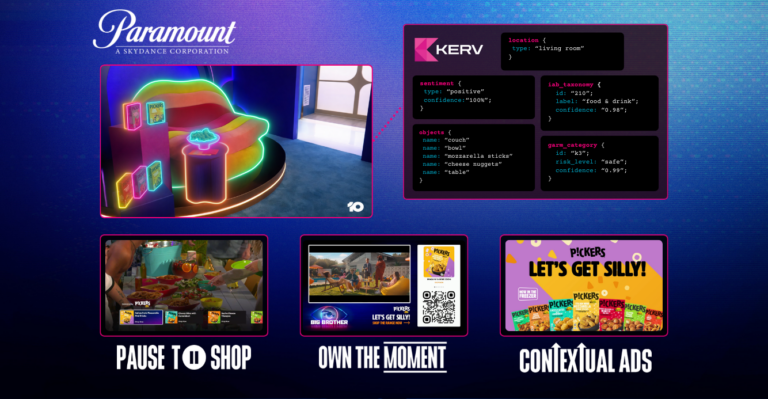
BUILDING A SHOPPABLE, ATTENTION-READY CTV OFFER: THE BIG BROTHER CONTEXTUAL CASE
26. 3. 2026In 2025, Paramount Australia, in partnership with FreeWheel and egta, hosted a webinar outlining a forward-looking…

GLOBO CREATES HOME SCREEN PROMINENCE FOR FREE-TO-AIR TV ON SMART TVS
26. 2. 2026Globo, Brazil’s largest commercial TV group, is rolling out DTV+, a next-generation free-to-air TV standard designed…