


In collaboration with neuro-marketing agency Unravel, Talpa Media has produced the scientific proof that audio does not just complement TV. It actively reactivates it, reconstructing visual brand memories in the consumer’s mind through sound. The findings carry significant implications for how audio is planned, sold, and valued within the wider media mix.
Context
Talpa Media is one of the Netherlands’ largest media companies, operating a broad portfolio of TV, radio, and digital platforms. That multiplatform reach puts them at the centre of a question: what actually happens in the brain when consumers encounter TV and audio advertising together? Specifically, Talpa aimed to explore whether prior exposure to a TV commercial changes how the brain processes a matching audio ad, and whether that effect can be measured without relying on conscious recall.
Research
Forty participants were fitted with EEG caps to capture real-time brain activity and exposed to commercial breaks from 14 brands. The study used a two-group design:
The test group watched video commercials from all 14 brands, then heard the matching audio commercials.
The control group heard the same audio commercials, but had previously seen video commercials from entirely unrelated brands.
EEG measurements tracked activity in the visual cortex throughout, isolating the neurological response to audio under each condition.
Video here.
Key Findings
The results offer a new way to understand, evidence, and make the case for what audio delivers.
The visual transfer effect is real and measurable. Brain activity in the visual cortex was more than five times higher in the test group than in the control group. Audio alone produced some visual activation, but prior TV exposure significantly amplified the effect.
FMCG brands benefit most. Campaigns built around strong visual storytelling are the most effectively reactivated by audio, with the effect 55% stronger for FMCG brands than for non-FMCG brands.
Sonic branding is key. Brand names, sound logos, music, and payoffs that feature in both TV and audio creative are the elements that trigger visual cortex activation. When sonic assets are aligned across channels, the memory effect is doubled.
It is clearly observable that with cross-media deployment, the visual area is activated more strongly than with single-media deployment. The effect is especially strong with brand names and sound logos, which strengthen the imagination. Tom van Bommel, Founder and Research Director, Unravel
The Value of Cross-media
The commercial implications of these findings are equally significant. For brands already investing in TV, audio keeps the brand visually alive in consumer memory when screens are absent, but purchasing decisions are still forming. A consumer who has seen a TV campaign does not need to build a new mental image when they hear the matching audio ad. The sound triggers the one they already have, reinforcing it at precisely the point where it influences behaviour.
The scale of audio makes this opportunity substantial:
Audio accounts for 45% of daily media consumption in the Netherlands.
It reaches 80% of the population every day, with radio alone generating a daily reach of 60%.
Audio advertising grew 6.5% in 2024, with FMCG brands accounting for half of that growth.
The visual transfer effect has now also been demonstrated through neuromarketing research. The fact that this effect is strongest for FMCG brands fits the trend of more and more FMCG brands opting for audio advertising. Brands that combine radio with TV significantly strengthen their visual recognition and brand impact. Strong sonic branding is essential in this regard. Sales Director, Talpa Media
Conclusion
The visual transfer effect provides a clear scientific case for audio’s role as a brand-building channel. It reframes the return on every audio investment made alongside TV and confirms what the best cross-media campaigns demonstrate in practice: audio and TV together are not simply more efficient. They are neurologically more powerful. The combination of TV and audio has been known to deliver results for brands, and this research showcases the scientific evidence to explain why.
Source: Neuro visual transfer onderzoek by TALPA Media; egta.com
OTHER CASE STUDIES

GLOBO CREATES HOME SCREEN PROMINENCE FOR FREE-TO-AIR TV ON SMART TVS
26. 2. 2026Globo, Brazil’s largest commercial TV group, is rolling out DTV+, a next-generation free-to-air TV standard designed for connected TVs. It brings broadcast channels into the TV operating system, with app-like navigation, login and interactive layers placed directly on top of live programming. The move fits Brazil’s viewing reality. Linear TV accounts for 57.9% of total… Continue reading THE VISUAL TRANSFER EFFECT: HOW SOUND BUILDS BRANDS
THE VISUAL TRANSFER EFFECT: HOW SOUND BUILDS BRANDS
24. 2. 2026In collaboration with neuro-marketing agency Unravel, Talpa Media has produced the scientific proof that audio does not just complement TV. It actively reactivates it, reconstructing visual brand memories in the consumer’s mind through sound. The findings carry significant implications for how audio is planned, sold, and valued within the wider media mix. Context Talpa Media… Continue reading THE VISUAL TRANSFER EFFECT: HOW SOUND BUILDS BRANDS

RMB TURNS QR CODE VOTING INTO A SHARED VIEWING MOMENT THAT STRENGTHS BRAND IMAGE FOR SPRITE AND DELI CHOC
24. 2. 2026Campaign objectives The chocolate snack Deli Choc and soft drink Sprite brands worked with RMB to reach younger audiences by becoming part of Belgian hip-hop show “PLAYGROUND”, supporting new rap talent through a live QR vote and cross-platform content. This helps the brands appear as enablers of the format rather than separate ads. For RMB… Continue reading THE VISUAL TRANSFER EFFECT: HOW SOUND BUILDS BRANDS

CANADIAN SUPERSTAR ANDREW PHUNG HELPS VIA RAIL CHALLENGE CAR CONVENIENCE ASSUMPTIONS WITH LONG-FORM STORYTELLING ACROSS CBC’S TV ECOSYSTEM
24. 2. 2026Campaign objectives VIA Rail, the company operating Canada’s national passenger rail service, combined a new product launch with brand building, using long-form content to tackle misconceptions that tend to block conversion in travel: comfort, ease, and whether rail feels like a realistic alternative to driving for intercity trips. The objectives behind this campaign were to… Continue reading THE VISUAL TRANSFER EFFECT: HOW SOUND BUILDS BRANDS
HOW L’ORÉAL PARIS AND RTL MADE STREET HARASSMENT HARD TO IGNORE
24. 2. 2026Context Sexual harassment in public spaces is one of the most common forms of gender-based violence in the world. Two figures frame the issue: 80% of women have experienced street harassment, but 85% of people say they lack training on how to intervene. Ad Alliance and L’Oréal created a campaign to respond to this problem… Continue reading THE VISUAL TRANSFER EFFECT: HOW SOUND BUILDS BRANDS
HOW AD ALLIANCE USED VIRTUAL SET GRAPHICS TO RESKIN THE LET’S DANCE STAGE FOR UNIVERSAL PICTURES
24. 2. 2026Context This campaign promotes a film by changing the look of a well-known TV studio during the ad break, so the show setting becomes part of the idea. Universal Pictures International Germany supported the live-action version (made with real actors) of How to Train Your Dragon, based on a well-known animated franchise. The ad special… Continue reading THE VISUAL TRANSFER EFFECT: HOW SOUND BUILDS BRANDS
CHANNEL 4 SHOWS HOW PUTTING ACCESSIBILITY FIRST BENEFITS BOTH CUSTOMERS AND COMMERCIAL WITH CURRYS’
24. 2. 2026Context Channel 4’s Diversity in Advertising Award 2025 set its brief under the theme “Inclusive by Design”. It asked brands to embed inclusive practices into the creative, rather than at the end of production. The initiative linked that ambition to airtime: £1m of advertising space across Channel 4’s portfolio sat behind the winning campaign. The… Continue reading THE VISUAL TRANSFER EFFECT: HOW SOUND BUILDS BRANDS
HOW BMW USED A COUNTDOWN TO HOLD ATTENTION FOR TWO MINUTES
24. 2. 2026The iX3 launch in Belgium used prime time to make a first impression quickly. The plan did not rely on many repeated 30-second ads. Instead, it opened with a two-minute film that ran without interruption. In this campaign, this timeframe was used as a clear countdown linked to the car’s driving range. The number on… Continue reading THE VISUAL TRANSFER EFFECT: HOW SOUND BUILDS BRANDS
TURNING PEAK TV SHOW ATTENTION INTO TRUSTED CONTEXTUAL SPOTS AND FAN FOLLOW UP CONTENT
24. 2. 2026Context A plot cue inside a flagship soap can set the terms of the next ad break, because viewers stay anchored in the same scene and characters. Emmerdale’s familiarity, plus its own show social channels, gave the message a recognisable voice on TV and somewhere to continue after broadcast. In this case, the ITV campaign… Continue reading THE VISUAL TRANSFER EFFECT: HOW SOUND BUILDS BRANDS
USING ELECTION NIGHT VIEWING HABITS TO MAKE A RETAIL MESSAGE FEEL LIKE ENTERTAINMENT
24. 2. 2026This campaign connected Bauhaus’s retail messaging to a major national television event. In Finland, municipal and regional elections feature hours-long results TV programmes that track vote counting as results come in. Bauhaus (a major home improvement retailer) partnered with the biggest national broadcaster, Sanoma, to create branded entertainment within this format, using “price” as the… Continue reading THE VISUAL TRANSFER EFFECT: HOW SOUND BUILDS BRANDS
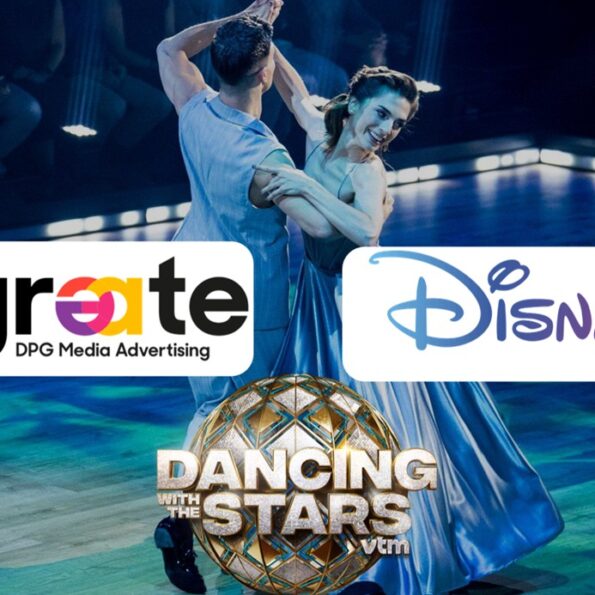
WHEN DISNEY CAME TO DANCING: A LIVE SHOW BECOMES A FAIRYTALE
24. 2. 2026Inspired by Disneyland Paris’s Disney Music Festival, where performances by Disney-movie characters fill the park with dance and live music, DPG Media’s creative team proactively conceived an unprecedented brand integration: a dedicated Disney-themed episode of Dancing With The Stars. The concept was not driven by a client brief. Knowing the client’s wishes and dreams, and… Continue reading THE VISUAL TRANSFER EFFECT: HOW SOUND BUILDS BRANDS
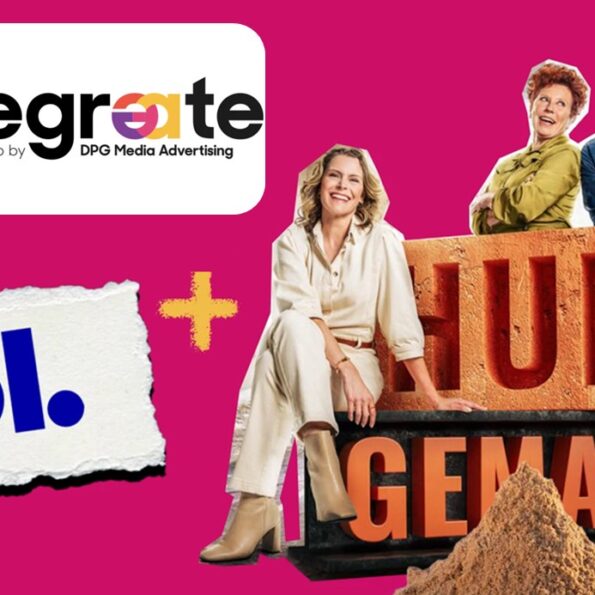
WHEN A CROSS-FORMAT APPROACH MULTIPLIES IMPACT: BOL × HUIS GEMAAKT ACROSS CONTENT & CONTEXT
23. 2. 2026Description Bol is Belgium’s largest e-commerce platform, a household name for buying books, electronics, and everyday items online. But furniture and home décor? That was not what consumers associated with the brand. DPG Media set out to change this perception through a multi-format partnership with Huis Gemaakt (“Home Made”), a popular Flemish TV show where… Continue reading THE VISUAL TRANSFER EFFECT: HOW SOUND BUILDS BRANDS