
THEME OF THE MONTH: SUSTAINABILITY

Sustainability topic have been bandied about more and more often lately. The growing interest in the brand ecological behaviour is confirmed by many research studies. According to Ipsos survey, companies should focus on sustainable management of natural resources (30%), support for environmental projects (18%) or development of modern technologies to reduce environmental impact (18%).


As consumer thinking shifts towards resource efficiency, the approach of brands, companies and the media industry as a whole is also changing. Brands often communicate their view of sustainability in TV advertising.


In ScreenVoice magazine, you can read which brands are examples of good practice on the topic of sustainability.


In the selection of inspirational articles in the “Read about the topic” section, you will find further inspiration from the world of television and total video from around the world.

MORE ARTICLES ABOUT THIS TOPIC


SIX CZECH COMMERCIALS THAT, ACCORDING TO RESEARCH, WERE SUCCESSFUL. WHAT DO THEY HAVE IN COMMON?

8. 7. 2026

Ipsos’ analysis of 60 Czech campaigns from 2025 found that humour, emotion, empathy and original ideas most strongly drive ad effectiveness, with each campaign rated by at least 100 respondents and more than 6,000 ratings collected online in January 2025. The study links creative experience to brand awareness, empathy to short-term brand choice, and creative ideas to long-term brand relationships, giving marketers a clear framework for evaluating impact. O2, Air Bank, Kooperativa, Vodafone, Kaufland and Bauhaus emerged as the top-performing campaigns, with the strongest work combining entertainment, everyday relevance and a practical solution. For brands, the takeaway is that localized humour and specific consumer problems outperform generic messaging, including in ESG-related communication.

NOVA IS ATTRACTING AUDITIONERS FOR ‘SUPERSTAR’ THROUGH BORHYOVÁ AND KORANTENG AS WELL

7. 7. 2026

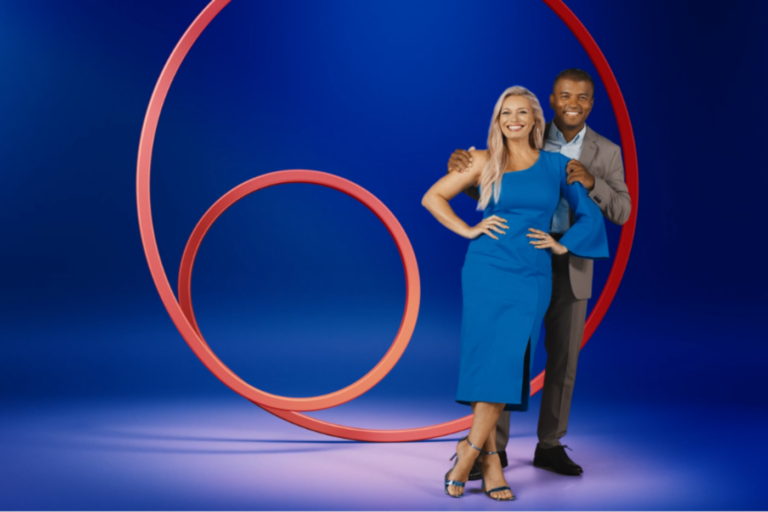
TV Nova has launched a new SuperStar audition campaign under the slogan “Where are you?”, using four 20- to 30-second trailers to drive applications from singers in the Czech Republic and Slovakia. One spot features Televizní noviny presenters Lucie Borhyová and Rey Koranteng, extending the show’s reach through familiar news personalities, while other creatives build the search theme through messages embedded in everyday settings. All videos end with the SuperStar logo and a direct call to find the new star, giving the campaign a clear performance objective across YouTube and Nova’s official channels.

FIFA 2026: HOW THIS YEAR’S ADS CELEBRATE FANS WITH HUMOUR, SELF-DEPRECATION AND FOOTBALL PATHOS

7. 7. 2026

World Cup advertising is shifting from star players to fan-centred storytelling, with brands using humour, self-deprecation, rituals and emotional tension to stand out during one of the world’s most-watched sporting events. The selected campaigns show distinct strategic routes: AXE celebrates fans looking ridiculous, Visa links contactless payments to everyday matchday moments, and Pizza Hut builds on intergenerational viewing memories. Microsoft uses the tournament as a high-pressure backdrop to demonstrate Microsoft 365 Copilot in practical work scenarios, while Coca-Cola and The Home Depot tap football emotion and cultural familiarity through VAR drama and David Beckham’s off-pitch persona.

AI ADS ARE GOOD ENOUGH — AND THAT’S THE PROBLEM

6. 7. 2026

Testing 20 ads with 3,000 U.S. consumers, Ipsos found that AI-generated spots were often credible enough to blend into real media environments but still lagged human-created work on emotional engagement and business outcomes. The study controlled for strategy by reverse-engineering original briefs and producing fully AI-made counterparts, isolating creative execution as the key variable. For brands and agencies, the takeaway is clear: AI can improve production efficiency, but "good enough" creative may weaken the audience connection that drives effectiveness.

THE CAMPAIGN FOR THE FILM VELKÝ VLASTNECKÝ VÝLET WON SILVER AT THE CANNES LIONS

2. 7. 2026

Velký vlastenecký výlet delivered the Czech Republic’s only win at this year’s Cannes Lions, earning a Silver Lion for a campaign created by Fun House, Leo Prague and other Publicis Groupe teams. Built as more than conventional film promotion, the campaign combined visual identity, a website, social content, digital activations and the Grand Patriotic Committee initiative to mirror how disinformation narratives spread. The jury highlighted its courage in addressing a polarising social issue and its ability to turn a documentary release into a communication platform that exposed disinformation mechanisms in real time.

THE EFFIE AWARDS KICK OFF, ADD A NEW CATEGORY FOR B2B AND REVISE THE RULES FOR DIGITAL ENTRIES

30. 6. 2026

The Effie Awards Czech Republic has opened entries for its 29th year, adding a new B2B Products and Services category for campaigns aimed at corporate clients and specialist audiences. AKA has also revised the Digital Marketing and Social Media rules so entries must show a standalone digital strategy, a distinct digital solution, and evidence of the digital component’s impact, with judging focused on metrics such as CPA, ROAS, PNO, conversion rates, and incremental or causal effects. Entries opened on 30 June, the early bird period runs until 20 July, finalists will be announced on 10 November, and the awards ceremony is scheduled for 25 November 2026.

CANNES LIONS WRAP-UP: PART TWO – FROM EFFECTIVENESS TO GROWTH, FROM VOLUME TO TRUST

28. 6. 2026

Cannes Lions Wrap-Up Live highlighted a core industry tension: marketers are using AI more for efficiency than for creative effectiveness or growth, with CEO Forum responses at 57% for efficiency versus 43% for growth and Contagious/WFA research showing only around a third use AI for creative effectiveness. Panelists argued that AI does not replace marketing fundamentals, warning that better briefs and stronger creative judgment still depend on mastering the basics. Another major takeaway was the "two-audience problem": brands now need content that works for both people and the models, agents, and systems that interpret information on their behalf. For media and brand leaders, the implication is clear: machine-readable consistency, not reach alone, is becoming critical to trust, resonance, and long-term brand impact.

CANNES LIONS WRAP-UP: PART ONE – THE WORLD OF AI AND PEOPLE

28. 6. 2026

At Cannes Lions, the AI debate moved beyond hype and fear toward a more practical question: where human creativity, judgment and experience end, and where machines can add the most value. Speakers and juries highlighted both sides of that divide, from Apple TV Rebrand winning Design Lions Grand Prix with hand-made physical craft to Google’s Project Genie taking the Digital Craft Lions Grand Prix for AI-enabled worldbuilding from text prompts. For marketers, the clearest business takeaway was AI’s role in scaling production and speed, as P&G reported major gains in social asset output, even as industry leaders warned that more automation could also mean more waste and communication clutter.

COMPANIES ARE SPENDING HUNDREDS OF THOUSANDS ON MARKETING, BUT THE RETURN ON INVESTMENT IS FALLING

26. 6. 2026

Marketing budgets are edging up while returns are falling, leaving online shops paying more to sustain the same turnover as digital advertising costs rise and competition intensifies. The core problem is no longer a lack of data but too much conflicting platform data, which pushes teams toward "safer" channels and can mask the real drivers of customer acquisition. Roivenue identifies three recurring mistakes: no single source of truth, adding channels before fully understanding existing ones, and measuring conversions or turnover without linking campaigns to actual profit. AI is adding another measurement blind spot, as companies struggle to judge whether traffic from tools such as ChatGPT belongs in the marketing mix or is simply another source of costly distraction.

AN IMMERSIVE CANAL+ BRAND SOLUTIONS COLLABORATION FOR SKIN-CARE BRANDS WITH SENSITIVE STORIES TO TELL

26. 6. 2026

CANAL+ BRAND SOLUTIONS and its in-house studio LA FACTORY created “Marquer l’Invisible” for Avène, linking Cicalfate+ to a documentary-style story about scars, tattooing, repair and protection without turning the content into a product demonstration. The activation combined production, premium CANAL+ app placement, a 20-second STREAM+ pre-roll teaser, and social distribution through Clique, giving advertisers a clear example of integrated branded content execution. Rolled out from 6 April 2026 and targeting women aged 25–54, the campaign shows how co-constructing the story, media setting and brand role from the outset can strengthen authenticity, cultural relevance and audience fit.

A TEST OF THE STRENGTH OF CZECH BRANDS: HOW DO THEY FAREWELL WITHOUT A NAME OR LOGO?

25. 6. 2026

Research by ResSolution Group and Media Age found that none of six tested Czech brands achieved more than 50% recognition when logos, names and distinctive symbols were removed, with Pilsner Urquell leading at 45% and Škoda Auto at 39%. The findings suggest that minimalist brand executions can weaken recall and increase competitor confusion, as seen in bottled water where Mattoni was mistaken for a rival by 12% of respondents, matching its correct identification rate. Recognition was generally stronger among respondents under 35, while category relevance influenced results in insurance and gender differences were evident for Pilsner Urquell and Škoda Auto.

FIVE MARKETING TRUTHS: RITSON AND SHARP REACHED A CONSENSUS IN CANNES

23. 6. 2026

At Cannes Lions, Mark Ritson and Byron Sharp made a rare joint appearance to test where two of marketing’s most cited voices could agree, despite a long-standing reputation for public disagreement. They found common ground on mental availability as a core brand task, arguing that marketers must focus less on what a brand means and more on the situations, needs and stimuli that trigger recall at the point of purchase. They also aligned on distinctive brand elements as practical tools for recognition, with a clear warning that internal brand fatigue can push teams to weaken assets consumers still rely on. On mass marketing, both framed the opportunity as a revival of sophisticated reach: building brands by covering the full relevant market while adapting execution to real-world differences.