
The appeal to Brussels was sent on 23 March 2026 and refers to data from a recent study for the Italian media group MFE. According to the findings of this analysis, the majority of smart TVs in the European Union run operating systems from Google, Amazon and Samsung.
Samsung’s Tizen system runs on around 24 per cent of televisions. Google’s Android TV share rose from 16 to 23 per cent between 2019 and 2024. Amazon Fire OS increased its share to 12 per cent from the original five per cent over the same period. This is because Amazon also licences its system to other television manufacturers.
The operating system determines access to programmes
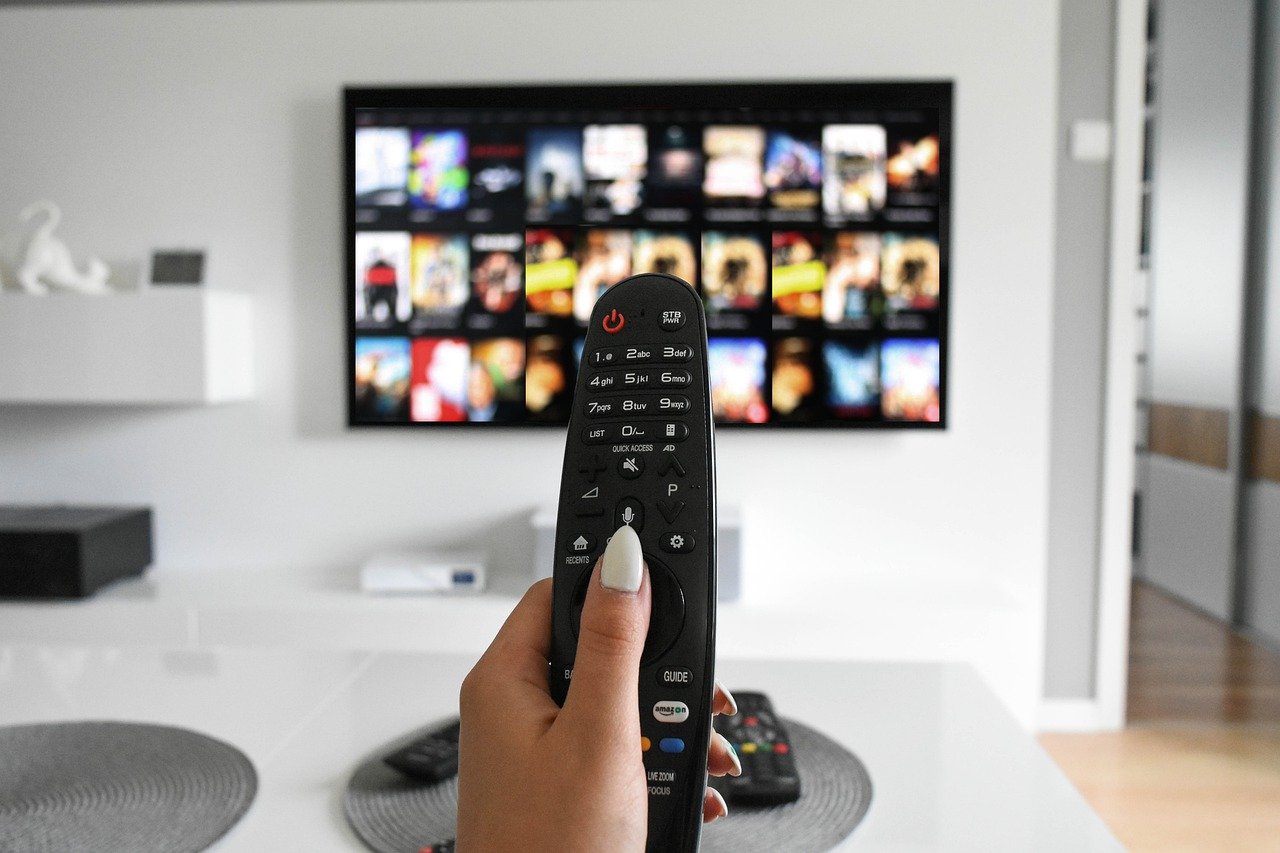
What does this mean in practice? When a viewer buys a smart TV, access to programmes is largely determined by the company that created the operating system. Its settings determine what the interface for accessing linear broadcasting or TV apps looks like, how visible these elements are, and which partners it highlights. “A limited number of operators are gaining an increasing ability to influence outcomes for millions of users and businesses by controlling access to audiences and content distribution,” the signatories of the letter point out.
Broadcasters fear that platforms are locking viewers into their own ecosystems. Technically or contractually, they can prevent one media app from linking to another. For example, if an aggregator recommends a programme available on another streaming service, the platform can block such a link.
“Smart TVs play a key intermediary role between media providers and end users and can significantly influence the visibility, availability and use of media services,” the letter states.
What will Alexa, Siri or Google Assistant choose for you?
Broadcasters see a similar problem with virtual assistants. Alexa, Siri or Google Assistant have long since ceased to serve merely as alarm clocks. With the advent of generative artificial intelligence in the form of chatbots and AI agents, they are taking on more and more functions, not least content recommendations. The user says “play me something interesting” and the assistant decides for them. Whilst the DMA lists virtual assistants as a category that may be subject to regulation, the European Commission has not yet placed any of them under stricter supervision.
According to the signatories, this creates “a regulatory vacuum that allows powerful AI assistants to become de facto gatekeepers of access to media content via mobile phones, smart speakers and in-car infotainment systems, without being subject to the obligations arising from the DMA”.
The DMA currently protects mainly operating system developers
Another problem lies in who the DMA actually protects. At present, these are companies that develop applications for operating systems and virtual systems. A television station whose programmes the assistant recommends or, conversely, ignores, does not fall within the scope of protected entities. The operator of the assistant can thus decide for themselves who benefits from the regulation and who does not.
The authors of the letter urge the European Commission to intervene before it is too late: “Once users become accustomed to a closed or distorted presentation of services, reversing these effects is extremely difficult.” If platforms remain in a position where they themselves determine what consumers see, it will be difficult for new services to enter the market. “The DMA must remain forward-looking and respond adequately to emerging risks. Experience from related platform markets shows that once gatekeepers and harmful practices become entrenched, restoring competition and consumers’ freedom of choice becomes extremely difficult,” the broadcasters argue.
Specifically, the broadcasters are calling for three things. Firstly: to designate Google, Amazon, Samsung and other major players as so-called gatekeepers in the smart TV and virtual assistant markets. Secondly: to launch its own investigation into their market power if they do not meet basic thresholds in terms of user numbers or annual turnover. And thirdly: to broaden the definition of affected entities in the virtual assistant sector to include all firms that depend on their services.
The timing of the letter is no coincidence. The Commission must submit an evaluation report on how the Digital Markets Act is working by 3 May 2026. In its assessment of last year’s public consultation, it noted that some participants had called for the regulation to be extended to smart TVs and virtual assistants.
Is this an attack on US tech firms?
Although European Commissioner for Competition Teresa Ribera has promised rigorous enforcement of the rules since taking office in December 2024, this is viewed with considerable displeasure on the other side of the Atlantic. Washington perceives European digital regulation as an attack on US tech firms.
The DMA, or Digital Markets Act, has been in force since November 2022 and operates differently from traditional competition law. It does not address problems retrospectively, but sets rules in advance. It prohibits ‘gatekeepers’ – as the official translation of the term goes – from, for example, favouring their own services, preventing users from switching to competitors, or making access to the platform subject to unreasonable conditions.
The Commission currently regulates six companies in this way: Alphabet, Amazon, Apple, ByteDance, Meta and Microsoft. The regulation covers 22 services, ranging from search engines and app stores to communication platforms. However, Brussels has not yet applied the rules to smart TVs or virtual assistants, even though the regulation explicitly mentions them as a potential category of regulated services.
Eleven organisations signed the letter to the European Commissioner. The pan-European association bringing together broadcasters such as Canal, RTL, Mediaset and Warner Bros. Discovery was joined, for example, by the European Broadcasting Union (EBU) and national associations of commercial television broadcasters from Italy, Germany, Austria, Spain, Slovakia and the Czech Republic. The full text of the letter is available on the website of the Association of European Commercial Broadcasters.
Source: lupa.cz