

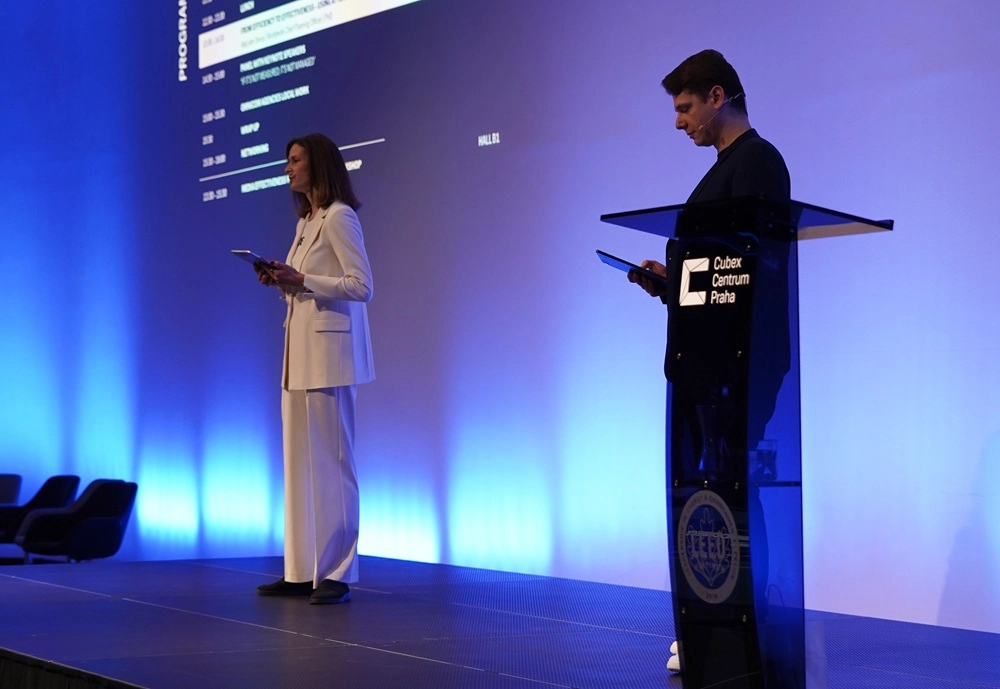
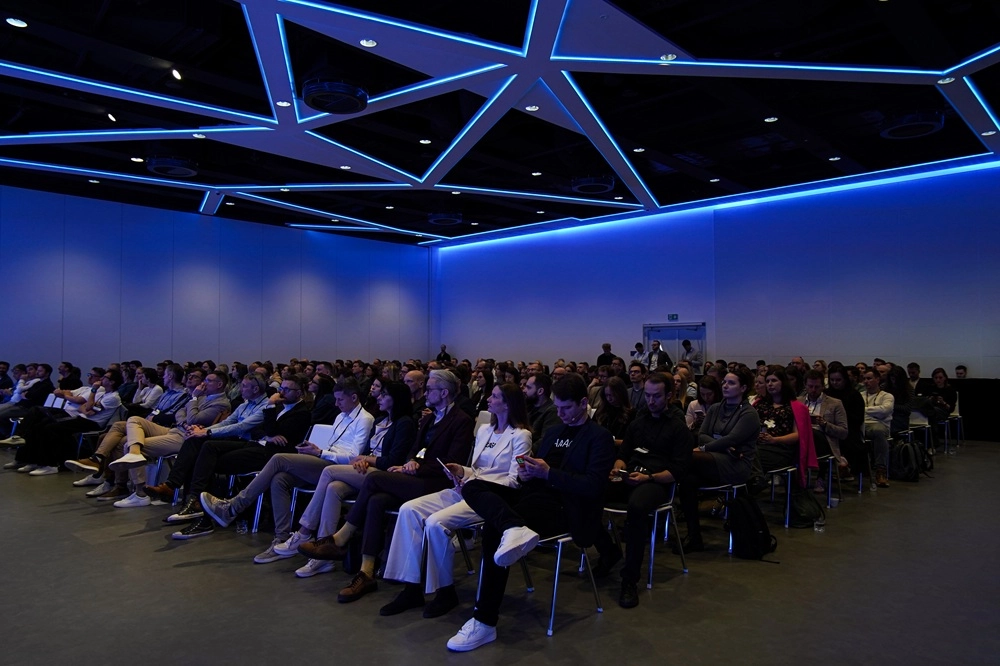
This year’s OmniConnect conference, the fourth in the series, was themed‘Measure to manage’and focused on how properly set metrics help to manage marketing strategies, brand growth and return on investment. The programme featured presentations by global leaders from the Omnicom network, showcases of the best local work, a panel discussion on the theme“If it’s not measured, it’s not managed”, and opportunities for informal networking after the official programme concluded. A new feature of this year’s event was the involvement of McCann, UM and Initiative, which became part of the Omnicom network following the global acquisition of the Interpublic Group (IPG) in 2025.
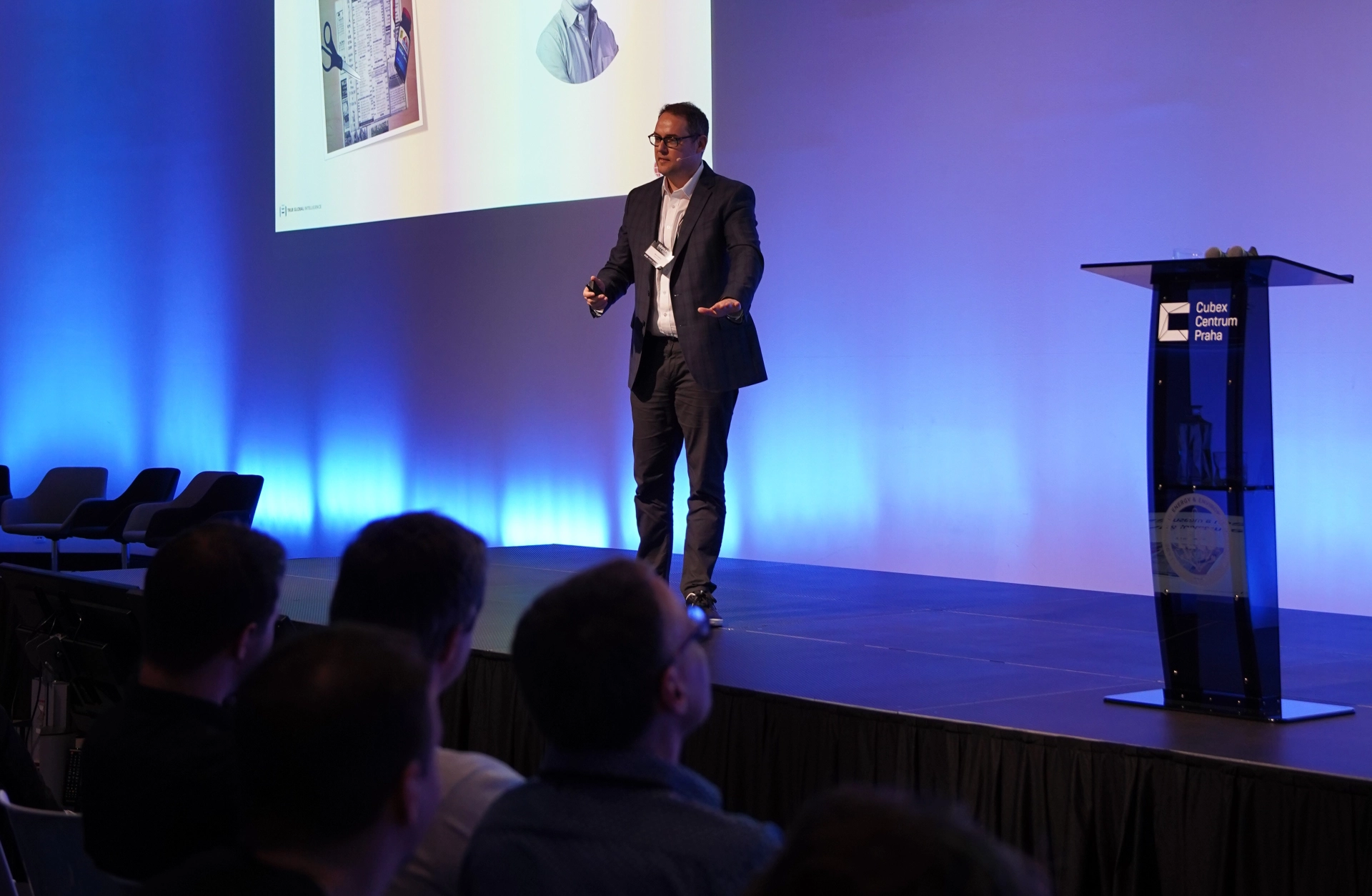
Among the keynote speakers was Darren Hawkins from McCann Worldgroup, who described how Aldi in the UK used social media to reach out to young customers, where it began to present itself as a “cheeky, unexpected and playful pirate”. What began as a bold experiment gradually evolved into an “army of campaigns” that became increasingly imaginative and daring. Thanks to this “pirate” strategy, Aldi succeeded in reaching the hard-to-reach young audience and significantly expanding its customer base within this group.
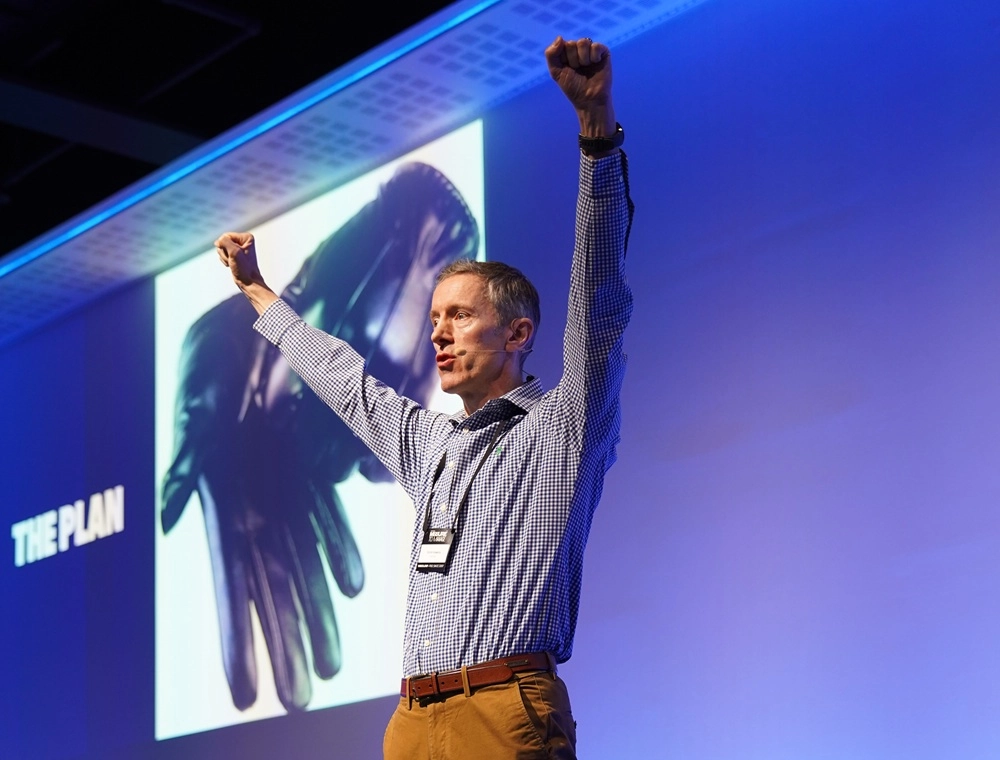
Next to take the stage as a keynote speaker was Ben Levine from FleishmanHillard UK. He spoke about measurement in the age of AI and how to demonstrate the true value of meaningful communication in 2026 and beyond. Effective measurement in 2026 involves not only the use of artificial intelligence, but, more importantly, creating an environment within the company for systematic data analysis. Being able to separate the essential from the noise, respond to the changing media landscape and audience behaviour, and demonstrate the true impact of communication rather than relying on outdated metrics.
Another keynote speaker, Malcolm Devoy from PHD, who specialises particularly in attention planning, focused on how to use attention to measure what matters. The media industry has become overly reliant on effectiveness metrics, which do not necessarily lead to brand growth. Attention data offers an opportunity to shift measurement towards outcomes that truly matter. He described how attention can be used to redefine KPIs, which will help media leaders plan, optimise and measure long-term brand impact.
Case studies
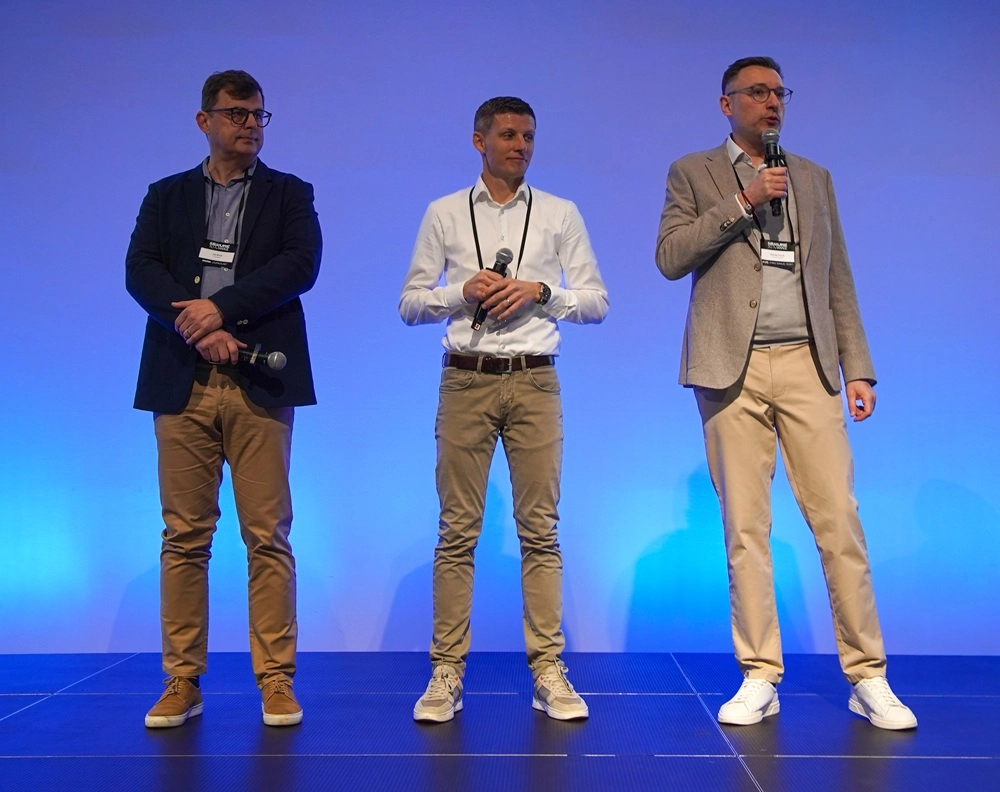
Case studies from the Czech market were also presented, demonstrating how a combination of data, creative communication and modern technologies can improve marketing effectiveness.
- Klik.cz and ePojištění: Strategic allocation of investment: Petr Princ (Head of ATL at the Klik.cz Group) and Mário Vozár (Research Director at Omnicom Group) presented how to optimise a marketing strategy for two brands with different communication histories. Whilst Klik.cz had long been active in ATL media, ePojištění had not used television advertising for three years. The analysis showed that communication effectiveness declines for brands that have been inactive for a long time, that a return to the original level takes longer, and that the correct allocation of investment is key. An econometric model was used to determine the optimal allocation of investment between the brands. However, the solution proposed by the model should also be supported by internal know-how. Brand tracking further showed that new adverts can revitalise communication and boost ROI.
- Data-driven campaigns and evidence-based marketing: Jan Suda and Milan Chorouš (both from McCann Prague) demonstrated how to use data to target a drug prevention campaign. It was created for ČAP and was based on an analysis of wastewater and actual drug consumption in the Czech Republic. As a result, the campaign was precisely targeted. It combined strong ATL communication with educational content that clearly illustrated the consequences of driving under the influence of drugs. A modern approach to media buying, including the use of share-of-voice multipliers, delivered significantly better return on investment.
- Measurement as support for special projects: Ivana Zajícová (Marketing Manager at Panzani) and Pavel Galík (Strategy & Digital Director at Omnicom Group) presented how Panzani’s long-term campaigns have taken marketing communication to a new level. Thanks to measurement, analysis of entry points and price sensitivity, the brand managed to reallocate its investment and shift the ratio of funds directed towards traditional channels and special projects from the original 80/20 to 20/80. The result is significant brand growth exceeding the market average. The data was used to optimise campaigns and also helped to simplify communication within the company, introducing an element of humanity.
- PR in the age of language models: Ondřej Píša and Tadeáš Pepř (both from FleishmannHillard) explained how AI and language models are changing the way we search for information. Already today, up to 60% of users search via AI chatbots, and by 2027 these tools are expected to surpass traditional search engines. They outlined how brands can succeed in the language model environment, for example through structured content, data and consistency. The agency will assist with defining objectives, conducting an AI brand audit and optimising the brand’s presence in language models. Rapid content updates enable the correction of incorrect information and can strengthen employer branding, for example.
Source: mediaguru.cz