
Most-read topics:
all GroupM VOD creativity efficiency aktv TV Nova TV Prima linear television attention AI QR
ADVERTISING AT THE CROSSROADS – GAINING ATTENTION VS SELLING OUR SOUL
16. 11. 2021 | 7 min read At a crossroads on the value of ‘viewability’, advertising needs to embrace quality of attention as a true measure of potential audience and business impact. Dan Machen is Head Of Strategy at Lionize.

LOOK OUT!
4. 11. 2021 | 6 min read How do you create effective and memorable advertising in a world that seems to be turning inwards?

SUCCESSFUL ADVERTISERS ACHIEVE AN AVERAGE PROFIT ROI OF 2.26:1
3. 11. 2021 | 3 min read An overview of the profit ROI that successful advertisers can expect, based on an analysis of WARC's database of 1,169 case studies of successful advertising campaigns.

DON’T FORGET THE GOLDEN RULES OF TRUST AND EFFECTIVENESS
28. 10. 2021 | 6 min read The role of ‘distinctive assets’ or ‘fluent devices’ is a critical foundation stone in improving the effectiveness of advertising, writes Ebiquity’s UK MD.

HOW YOUR BRAND CAN SOUND DISTINCTIVE IN A NOISY WORLD
27. 10. 2021 | 5 min read Sound assets can capture consumer attention, boost distinctiveness and build mental availability, explains Roscoe Williamson of MassiveMusic.

HOW TO SET UP A MEDIA STRATEGY IN THE ERA OF NEW CUSTOMER HABITS?
15. 10. 2021 | 7 min read Businesses that discontinued their advertising in the second half of last year may experience a decline in their income of up to 11%, says Yaroslav Protsiv from Nielsen.

CRITICISM OF BRAND PURPOSE IS ‘NAÏVE AND UNJUSTIFIED’, CLAIMS PETER FIELD
12. 10. 2021 | 7 min read In new research by the effectiveness expert, well-executed brand purpose cases are found to drive a higher number of large business and brand effects than cases without purpose.

RESEARCH REVEALS THE DIFFERENCE BETWEEN EFFICIENT AND EFFECTIVE ROI
1. 10. 2021 | 2 min read The latest edition of The Payback Series examines the ability of media to optimise campaign return on investment (ROI).
INTEREST IN TV ADVERTISING EXCEEDS EXPECTATIONS
23. 9. 2021 | 6 min read Strong demand is coming from advertisers in the e-commerce, retail and food and beverage segments. There is a high demand for TV advertising, confirms the CEO of the Nova TV Group Jan Vlček.

HOW DIRECT-TO-CONSUMER BRANDS ARE SHAPING TV’S FUTURE
23. 9. 2021 | 4 min read Today’s television ad industry owes a lot to digital natives, particularly direct-to-consumer (D-to-C) brands. This growing group of upstarts and disruptors has not only changed the way we as consumers buy everything, but it has also revolutionized the use of converged TV (linear, CTV/OTT, and addressable) for both data-driven performance and strategic reach.

NINE STRATEGIC WAYS ADVERTISERS CAN LEVERAGE OTT AND CTV IN 2021
26. 7. 2021 | 5 min read Over-the-top and connected TV advertising heated up in 2020 as restrictions were imposed to address the Covid-19 pandemic, leading people to stay home and binge on streaming content or their favorite cable television programs. Thanks to the measurable reach they offer, OTT and CTV became incredibly popular marketing and advertising channels over the past year.

UNLOCKING THE DIVERSITY DIVIDEND IN TV ADVERTISING
13. 7. 2021 | 4 min read Diversity and Inclusion are major themes for advertisers right now, as the last few years have made it plain how poorly marginalised communities feel they have been represented in traditional advertising. Across every channel and sector there’s an interest in representing diversity better, more authentically, but also more effectively. We’ve all seen ads which feel tokenistic, stereotyped or embarrassing, and there can be a fear of getting it wrong.

SORIN PATILINET AT COMMUNICATION SUMMIT 2021: UNRAVEL CUSTOMER EMOTIONS. IT’S THE PATH TO CREATIVE AND EFFECTIVE COMMUNICATION
26. 5. 2021 | 7 min read What are the lessons from the thousands of ads Sorin Patilinet has researched for brands like Whiskas, Orbit, Snickers and M&M'S? Take a look at the neuroscience findings that suggest what to look out for when creating ads and how to make them effective.
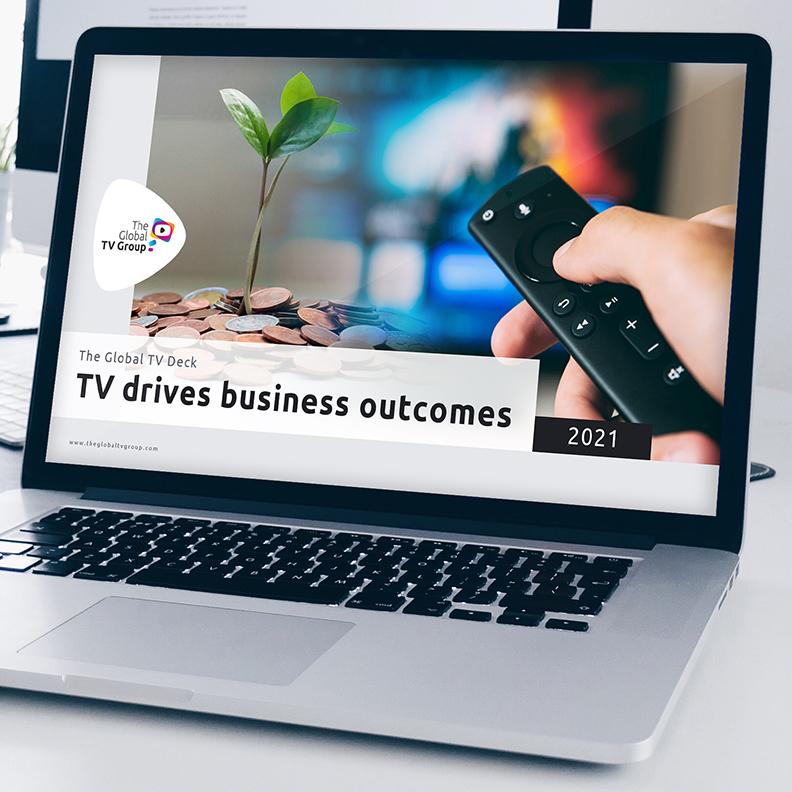
TV DRIVES BUSINESS OUTCOMES
30. 4. 2021 | 3 min read Global TV Group arms advertisers with latest TV effectiveness evidence from around the world. Research collection demonstrates how TV works in every market, for all customer objectives.

TV IS AT THE HEART OF CREATIVE EFFECTIVENESS
10. 3. 2021 | 2 min read In advertising, we have always known anecdotally that strong creativity leads to success, but there was little proof of the relationship until 2010, when the IPA, in association with Thinkbox, published 'The link between creativity & effectiveness' (updated in 2011).

EGTABITE 316: DPG MEDIA’S VTM GO OR YOUTUBE: WHO WINS THE ONLINE VIDEO BATTLE?
20. 10. 2020 In this week’s egtabite we take a look at Belgium DPG Media’s online video platform, VTM GO. By employing eye-tracking, physiological measures, and qualitative inputs, DPG put its platform to the test against YouTube by assessing viewers’ attention and ad acceptance. In summary, the research study revealed that VTM GO obtains a higher level of attention to content than YouTube, and ads receive much higher attention and are better accepted.

WHAT THE AD WORLD NEEDS NOW, EFFECTV SAYS, IS COMBINED DIGITAL/TV LOVE
23. 9. 2020 | 4 min read Comcast's ad sales division, Effectv, introduces a new appeal to the advertising community this week. If any of your campaigns solely use commercials on YouTube, Facebook or other social media, they'll be more impactful when you distribute them on television services, as well.

ADVERTISERS TAKE MAJOR STEP TOWARDS ‘HOLY GRAIL’ OF CROSS-MEDIA MEASUREMENT
17. 9. 2020 | 2 min read A new framework aimed at giving advertisers a far greater understanding of their ads’ reach and frequency across all media is to be road-tested in the US and UK, the World Federation of Advertisers (WFA) has said.