
Most-read topics:
all GroupM VOD creativity efficiency aktv TV Nova TV Prima linear television attention AI QR
REPORT: STREAMING AUDIENCES INCREASINGLY DISENGAGED
25. 9. 2026 | 2 min read TVision by Viant has released its 2026 State of Streaming report, built on one of the largest streaming attention panels in the world. The findings challenge assumptions about where viewers are actually paying attention across streaming and linear TV.

STUDY USA: LIVE TV STILL IMPORTANT FACTOR WHEN CHOOSING A STREAMING BUNDLE
2. 9. 2026 | 2 min read Continued demand for aggregation across traditional and streaming video drives new bundles and channel combinations.

SURVEY: MOST ‘UNSKIPPABLE’ ADS NOT BEING WATCHED
24. 8. 2026 | 4 min read Research from consumer insights platform Attest finds that many of the assumptions underpinning media planning simply don’t reflect how people actually consume content today.

AGF PLATFORM STUDY 2026 I: HOW VIEWERS FIND VIDEO CONTENT TODAY
20. 8. 2026 | 14 min read For the first time, the expanded platform study connects technical conditions with how viewers behave and navigate when searching for and selecting content on their television sets. Receiving television signals via the internet, smart TV user interfaces and streaming services are continuously changing the technical conditions in which television is watched. The AGF Platform Study has documented this development for many years and provides important information used as a basis for determining the external parameters of the AGF system. In the spring 2026 wave, the study was expanded for the first time to include questions focused on the user journey when using the television set. The technical findings of the platform study are therefore now complemented by a view of actual viewer behaviour. This behavioural analysis makes it possible to systematically track how viewers in today’s technical environment access both linear and non-linear video content. The newly added questions fill an important gap between technical equipment and actual user behaviour. They show not only what technical options viewers have available today, but also which access routes they actually use and what differences exist in these choices between individual generations. In future, the platform study will therefore contribute even more significantly to understanding structural changes in video viewing and their impact on the way television sets are used. Most Households Start Directly with Television Broadcasting The new questions allow AGF to systematically examine for the first time how viewers access video content after switching on the television. The results show that despite increasing technical diversity, television viewing in most households still begins directly with television broadcasting. When respondents are asked to switch on the television, 96.8% of them use a traditional remote control. Smartphone apps (1.0%) and voice control (0.6%) currently play only a marginal role. In more than two thirds of households (68.2%), the currently broadcast television programme appears first after the television is switched on, while in 29.6% of cases the user interface is displayed. Compared with previous waves of the research, this ratio remains stable. If viewers enter the current television broadcast, whether directly after switching on the television or via the user interface, the last watched channel is displayed in most cases (75.1%). In 10.3% of households, a preset default channel appears first, while another 10.3% of viewers initially see an overview of television channels. The channel most frequently displayed first is ARD Das Erste (35.6%), followed by ZDF (14.5%) and RTL (10.7%). When it comes to the arrangement of television channels, the situation is relatively balanced: half of households (50%) have individually adjusted their channel list or created a favourites list, while 45.7% continue to use the default order set by the manufacturer. The results show that although the technical methods of accessing content are constantly evolving, direct access to television broadcasting remains the starting point for video viewing in most households. Smart TV User Interfaces Are Becoming a Key Gateway to Video Content As internet-connected televisions become increasingly widespread, smart TV user interfaces are gaining greater importance in accessing video content. Today, 57.7% of households with a television are equipped with a smart TV user interface. A further 33.3% of households own an internet-connected television but without a smart TV interface. The vast majority of households with a television therefore have additional options for selecting content directly through the user interface. For the first time, the platform study also examined which functions these interfaces offer users immediately after the television is switched on. At least one of the monitored navigation functions is offered by 86.7% of smart TV user interfaces. Most commonly displayed is an overview of installed applications (53.4%), followed by recommended programmes (29.9%) and the option to immediately continue watching programmes that were previously started but not finished (21.3%). A further 13.1% of user interfaces also offer direct access to the current television broadcast. It is therefore clear that smart TV interfaces today represent much more than just a system home menu. They bring together different ways of accessing video content and make it easier to navigate on the large television screen. The diversity of available offerings is also illustrated by the apps visible directly on the home screen. Netflix appears most frequently (47.4%), followed by YouTube (41.9%) and Prime Video (41.8%). Services from television broadcasters are also represented: ARD Mediathek is directly visible on 36.7% and ZDF’s streaming portal on 32.2% of smart TV user interfaces. In total, 52.8% of households with a smart TV interface have at least one video streaming app directly on the home screen. Smart TV user interfaces therefore bring together services from different providers within a single navigation environment and create additional ways to move between linear and non-linear video content. For the first time, the study also examined the extent to which users customise their interfaces. Among people who have an app overview available, 35.1% have already changed the order themselves or individually configured the app overview. For another 26.4%, the apps are arranged automatically according to previous usage patterns. This is reflected in the high level of satisfaction: 87.6% of respondents rate the displayed selection and arrangement of applications as very good or largely suited to their personal needs. The smart TV interface is therefore increasingly becoming an individually customised environment that helps users navigate the content available on their television. Remote Controls Are Becoming a Key Interface for Different Ways of Accessing Content The platform study also examines in detail the role of the remote control in accessing video content. The results show that its function has changed considerably in recent years. Traditional controls remain an integral part of television use, but buttons providing direct access to streaming services are becoming increasingly important. Coloured buttons are still part of most remote controls (84.1%), but their actual use continues to decline. Only 31.1% of respondents actively use the available coloured buttons, while 53% have them on the remote but do not use them. This trend therefore continues compared with the previous wave (2025 II: 39.7% of respondents used the buttons, while 45.8% did not). By contrast, dedicated buttons for accessing individual platforms have become standard equipment in many households. At least one direct-access button for a streaming or online service is available to 54% of respondents, representing a significant increase compared with the previous wave (46.7%). The Netflix button is the most common (52.3%), followed by Prime Video (39.9%), YouTube (28%) and Disney+ (26.1%). If we look only at remote controls equipped with at least one such button, 96.9% of them have a Netflix button (2025 II: 92.5%). The extent to which remote controls are equipped with platform buttons is closely related to the age of the television. Among televisions no more than two years old, 74.6% of respondents have a Netflix button available. Among televisions more than ten years old, the figure is only 13.9%. A similar relationship is therefore confirmed across almost all platforms: the newer the television, the more likely direct-access buttons for streaming services are to be part of the standard equipment. Technical availability alone, however, does not determine user behaviour. At least occasionally, 56.2% of respondents use buttons providing direct access to platforms. While the share of occasional use remains almost unchanged compared with the previous wave, the share of frequent use has declined slightly. The way viewers access broadcaster services is also changing. Broadcaster media libraries are used on television by 32.4% of the population aged 14 and over. Access is gradually shifting away from the traditional red button towards internet-based user interfaces. While 41.4% of media-library users access them through the red button (2025 I: 47.7%), 59.5% access them through internet menus or app tiles (2025 I: 52.2%). The results confirm that internet-based access routes are becoming increasingly established and supplementing existing navigation options. User Journey: Television Broadcasting Remains the First Gateway to Video Content for Most People In the spring 2026 wave, the platform study was expanded for the first time to include questions concerning the user journey. It is now therefore possible to track which routes viewers actually choose after switching on the television and how these patterns differ between generations. The results confirm the consistently high importance of the television set as the main screen for watching video content. Television is used for watching television broadcasts by 92.2% of respondents and for streaming by 50.9%. The television is also used for gaming or listening to music (17.1%) and for watching recordings or DVDs (15.3%). The television therefore combines several different forms of use on a single screen. If we focus on the first step in video viewing, most viewers still turn first to television broadcasting. A total of 79.2% say that after switching on the television, in most cases they first watch the television programme currently being broadcast. For 26.8% of respondents, the first step can also be launching a streaming service. Opening a broadcaster media library or streaming portal (12.3%) or YouTube (8.7%) is currently of significantly less importance as the initial viewing route. There are considerable differences between generations. While 96.9% of people aged over 65 generally begin their video viewing with traditional television broadcasting, the figure is 64.3% among those aged 14 to 29. At the same time, 48.6% of young people aged 14 to 29 at least sometimes begin directly with a streaming service, compared with only 4.2% of people over 65. It is therefore clear that navigation habits on television differ significantly between generations. For the majority of the population, however, television broadcasting remains the first gateway to video content. Searching for Programmes in Linear Television Remains Flexible For the first time, the new questions in the platform study also make it possible to examine in greater detail how viewers select programmes in linear television broadcasting and which alternatives they choose if the current offering does not meet their expectations. If the programme currently being broadcast does not offer suitable content, most viewers primarily look for further options within linear television broadcasting. A total of 55.4% say that in most cases they continue switching channels. Viewers are significantly less likely to switch off the television (19.9%), move directly to a streaming service (15.4%) or go to a broadcaster media library (11.1%). Here too, significant generational differences are evident. While 65.7% of people aged over 65 at least occasionally continue switching channels within linear television, the figure among people aged 14 to 29 is 48.1%. By contrast, 26.1% of younger viewers sometimes switch to a streaming service in such a situation, compared with only 5.7% of viewers over 65. The results therefore show that younger target groups move more frequently between different types of offerings, while older viewers are more likely to search for suitable content within linear television broadcasting. Even when selecting a specific programme, there is no single clearly dominant method. A total of 47.1% of respondents generally select programmes by switching between channels. Another 46.8% primarily use a programme guide – for example, a printed TV guide, electronic programme guide (EPG) or television app. Favourite programmes watched regularly are preferred by 36.6%. Planned selection of linear television content using a programme guide or EPG also varies by age: almost two thirds of older viewers (64.9%) use information sources to select a programme deliberately, compared with 35.4% of younger viewers. The results therefore show that navigation within linear television depends on the specific situation and that viewers combine different sources of information. Recommendations and Targeted Search Both Influence Streaming Content Selection In the current wave of research, the study also systematically examined for the first time how viewers find content on streaming services and what they do if they do not immediately find suitable content. If television viewing begins with a streaming service, Netflix is the first choice for 16% of all respondents. YouTube (5.7%) and Prime Video (4%) follow at a considerable distance. This preference is particularly pronounced among people aged 14 to 29: in this group, 30.9% of viewers start with Netflix, compared with 3.4% among people over 65. If users do not find suitable content on the first platform they open, they usually continue searching within the same service. This is reported as their usual approach by 17.1% of respondents. Less frequently, this is followed by an immediate switch to another streaming service (11.6%) or to linear television broadcasting (7.7%). Both recommendations and targeted search play an important role in selecting specific content. Some 22.7% of respondents navigate according to recommendations on the streaming service’s home page, while 22.4% deliberately search for a specific title. The results therefore suggest that viewers use a variety of routes when searching for suitable content in both linear television broadcasting and streaming services. Which access method they prefer depends on both the type of service and the specific situation. New Insights into Navigation in the Diverse World of Video Content By expanding the platform study, AGF is for the first time connecting the technical conditions of video viewing with viewers’ actual navigation behaviour. The study shows that despite the constantly growing diversity of content and access methods, the television set continues to remain a central starting point for video viewing. At the same time, it is clear that ways of navigating on television are becoming increasingly diverse. Linear television broadcasting, streaming services, broadcaster media libraries and smart TV interfaces now sit alongside one another as equivalent options, offering different routes to the desired content. The platform study therefore expands its previous focus on household technical equipment and methods of video viewing to include a perspective on user behaviour. For the first time, it provides insights into how viewers access video content under current technical conditions and the role played by the individual access routes. “For many years, the platform study has provided important information about the technical conditions of video viewing and therefore represents one of the fundamental building blocks for determining the external parameters of the AGF system. With the current expansion, we are supplementing this perspective for the first time with insights into how viewers navigate when searching for and selecting content on their television sets. This will allow us to assess technological developments and their impact on television use even more effectively and in a broader context in future. At the same time, the results show that the routes to video content are becoming increasingly diverse, while the television set remains their common starting point,” explains Kerstin Niederauer-Kopf, Chairwoman of the Management Board of AGF. Brief Overview of the Methodology For the purposes of the platform study, market research agency Kantar, commissioned by AGF Videoforschung, conducts face-to-face CAPI interviews twice a year with the German-speaking population aged 14 and over living in households with a television. The research also includes an on-site check of the television sets used in the households; selected television programmes and streaming services are also launched together with respondents. Wave 2026 I
NOVA PREPARES NEW MONETISATION MODEL FOR ONEPLAY AND AIMS TO RETAIN KEY SPORTS RIGHTS
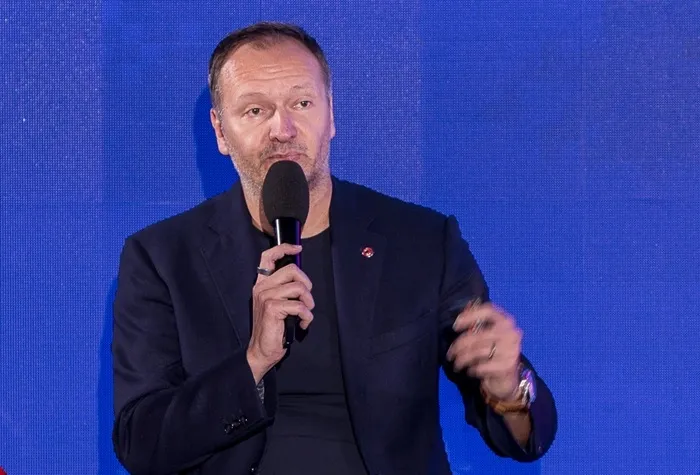
12. 8. 2026 | 5 min read Nova is getting closer to launching a new ad-supported subscription tier for its Oneplay video platform. The move will also introduce a new approach to advertising sales across linear and digital viewing. Nova plans to reveal the details this autumn. At the same time, Nova CEO Daniel Grunt expects the cost of sports broadcasting rights to continue rising.

NETFLIX IS AHEAD OF ONEPLAY, AT LEAST WHEN IT COMES TO PAYING FOR SUBSCRIPTIONS BY CARD
5. 8. 2026 | 5 min read Almost immediately following last year’s merger of the Voyo video-on-demand service and the O2 TV internet television service, their successor, Oneplay, became the largest streaming service in the Czech Republic overnight, surpassing even Netflix – the previous market leader – in terms of subscriber numbers. However, even a year and a half after its launch, Oneplay still lags behind Netflix in one respect: paying for a subscription by card.

CZECHS SPEND 12,000 CZK A YEAR ON SUBSCRIPTIONS; ONEPLAY IS AHEAD OF DISNEY
31. 7. 2026 | 3 min read The average Czech spends nearly 12,000 korunas a year on digital services and other regular payments. Whilst Apple and Netflix dominate in terms of transaction numbers, the Czech platform Oneplay has also joined the ranks of the most widely used services, overtaking both Disney and PlayStation. This is according to data from the fintech firm Tapix.

REVENUE FROM STREAMING SERVICES IS LOWER THAN EXPECTED. SOME GLOBAL COMPANIES HAVE FAILED TO PAY
22. 7. 2026 | 3 min read The State Audiovisual Fund collected 387 million CZK in audiovisual licence fees this year, a 70 per cent increase year-on-year. Global streaming platforms also became fully integrated into the system for the first time, although their contributions fell short of initial estimates.

CZECHS SPEND OVER FOUR HOURS IN FRONT OF THE TELEVISION, OF WHICH 37 MINUTES ARE SPENT STREAMING OR PLAYING GAMES
16. 7. 2026 | 3 min read Television broadcasts still account for the bulk of the time spent in front of the TV screen. However, people are increasingly using their televisions to watch streaming services, online videos or play games, according to data provided by Atmedia.

THE END OF BLIND CTV ADVERTISING: HOW METAPROFILE IS SOLVING THE CTV ADVERTISING INDUSTRY’S HARDEST PROBLEM, SCENE BY SCENE
9. 7. 2026 | 17 min read The CTV advertising industry has a paradox at its core. Streaming now commands the largest single share of TV viewing time, and the gap with traditional broadcast continues to widen. Programmatic CTV spend is growing at a pace that has made it one of the fastest-expanding segments in global advertising, with tens of billions of dollars flowing through the ecosystem annually, and more shifting from linear budgets every quarter. Brands are pouring record budgets into connected television. And yet, independent analyses of billions of bid requests flowing through the programmatic supply chain consistently find the same result. The average CTV program travels with less than a single complete metadata attribute attached to it. Less than one. In a market built on the promise of precision, the content itself remains nearly invisible.

STUDY USA: STREAMING UX FRUSTRATIONS DRIVE SUBSCRIBER CANCELLATIONS, STUDY FINDS
7. 7. 2026 | 2 min read More than a third of streaming subscribers have cancelled a service because of a poor app experience rather than price or content, according to new research from CTAM and Hub Entertainment Research.

KOŤÁK LIVE REACHED OVER 2.5 MILLION VIEWERS ACROSS PLATFORMS IN TEN MONTHS
7. 7. 2026 | 2 min read The entertainment programme Koťák Live has been running for ten months and, according to the producers, has reached more than 2.5 million unique viewers.

THE STRANGER THINGS EFFECT: IS IT WORTH LENGTHENING THE PAUSES BETWEEN SEASONS?
28. 6. 2026 | 2 min read The breaks between seasons of TV series have more than doubled over the last decade. According to an analysis by Ampere, whilst longer waits increase interest in the return of popular shows, they also increase the risk that some viewers will cancel their streaming subscriptions during the break.

MOVING IMAGE STUDY 2026: TELEVISION REMAINS THE BACKBONE OF AUDIOVISUAL CONTENT CONSUMPTION
23. 6. 2026 | 6 min read The representative study commissioned by RTR Medien and Arbeitsgemeinschaft TELETEST is examining video consumption in Austria for the eleventh time. Its findings show that consumer behaviour continues to be shaped by television broadcasters’ content.
NOVA IS NOW BROADCASTING TN LIVE OUTSIDE OF ONEPLAY AND HAS ADDED IT TO MAGENTA TV
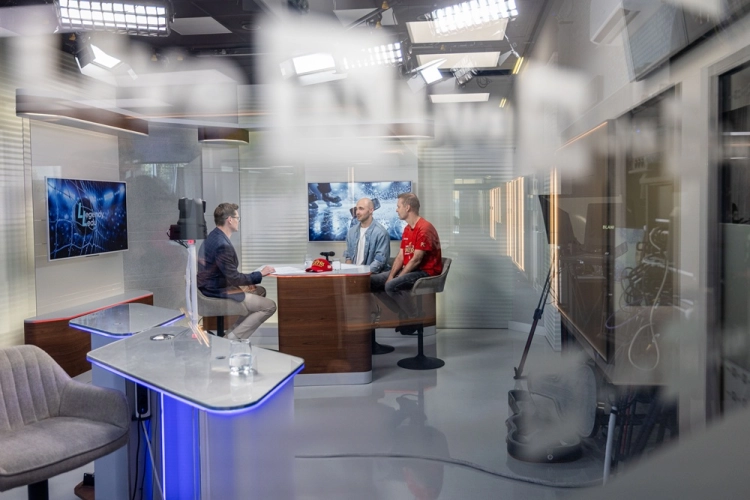
16. 6. 2026 | 2 min read TN Live, the TV Nova Group’s online news and lifestyle channel, is set to reach a wider audience. T-Mobile is adding it to its Magenta TV service.

CME CEO: TV BROADCASTERS IN CENTRAL EUROPE MUST GO DIGITAL, OR THEY WILL BE OVERRUN BY NETFLIX
10. 6. 2026 | 3 min read According to CME CEO Samuel Barnett, traditional media companies in Central and Eastern Europe have a unique opportunity to harness the power of local content and the distinct characteristics of individual markets. However, if they fail to rapidly develop their digital services, they risk becoming irrelevant in the face of global platforms.

STUDY FINDS GROWING ACCEPTANCE OF ADVERTISING ON STREAMING PLATFORMS
28. 5. 2026 | 2 min read Consumers are becoming increasingly receptive to advertising-funded streaming services, according to new research published by German public broadcaster ARD’s Research Service.

PRIMA LAUNCHES STREAMING DIVISION, HEADED BY WYKRYTOWICZ
28. 5. 2026 | 2 min read The Prima Group sees streaming and digital content distribution as a key pillar for its future growth. It is therefore establishing a streaming division.