
Most-read topics:
all GroupM VOD creativity efficiency aktv TV Nova TV Prima linear television attention AI QR
PAUSE ADS COMPLEMENT VIDEO SPOTS BY TURNING AWARENESS INTO PURCHASE INTENT
14. 10. 2026 | 2 min read Pause ads may work best when being used as a complement to traditional 15- to 30-second streaming ads, according to research from Amazon Ads and Omnicom Media shared by Adweek.

BRAND LOYALTY DOES NOT LEAD TO GROWTH; CUSTOMISABILITY AND AVAILABILITY ARE MORE IMPORTANT
2. 10. 2026 | 6 min read Brand love is something of an exception amongst consumers and does not, in itself, lead to increased purchasing behaviour. This was stated by Rachel Kennedy of the Ehrenberg-Bass Institute for Marketing Science at the Brand Management conference. According to the data presented, mental availability and strong distinctive elements are more important for brand growth.

FORUM MEDIA ENTERS ITS 26TH YEAR
8. 9. 2026 | 4 min read Forum Media enters its 26th year with a packed programme featuring dozens of top-tier presentations across six specialist stages throughout the day. The Czech Republic’s largest conference for marketing and advertising, communications and media will fill the halls of Prague’s O2 universum on Tuesday, 10 November. On that day, 27 international guests from 14 countries will arrive in Prague, with nearly one hundred experts from across the communications industry taking to the Forum Media stages.

TELEVISION MAINTAINS ITS LEAD IN TRUST: INTERNATIONAL DATA REVEAL MAJOR GAPS VERSUS ONLINE VIDEO AND SOCIAL MEDIA
5. 9. 2026 | 7 min read According to new material from The Global TV Group, trust is one of television’s key strengths. Data from several markets confirm its strong position not only in terms of trust in the television environment itself, but also when it comes to brands that advertise on TV and television news. The findings also reveal a significant lead for television, particularly over social media and content creators.

A FEW SECONDS WORTH SEVERAL MILLION, OR SPECIAL EFFECTS IN A TELEVISION ADVERTISEMENT
3. 9. 2026 | 16 min read Just a few decades ago, a television advert was nothing more than a well-lit shot from a studio, accompanied by simple animation. Today, the situation is completely different. Adverts now routinely feature hundreds of digitally enhanced shots, photorealistic computer-generated characters, simulations of water, fire or explosions, and virtual environments that, just twenty years ago, were the preserve of Hollywood blockbusters.

CZECH ATTENTION STUDY REVEALS SIGNIFICANT DIFFERENCES ACROSS ADVERTISING FORMATS
2. 9. 2026 | 8 min read Viewer attention can vary significantly depending on ad length, position within an advertising break, and the type of advertising format. These are among the preliminary findings of a pilot project by Omnicom Media, the first study in Central and Eastern Europe to measure real-world attention to TV and video advertising in people’s homes.
THE EFFIE STAGE PROGRAMME IS NOW COMPLETE, FEATURING INTERNATIONAL FIGURES AND DOMESTIC LEADERS
25. 8. 2026 | 7 min read What lies behind marketing communications that really work? This year’s Effie Stage will provide the answer by examining effectiveness from several angles. It will begin with creativity and the ability to keep pace with rapid change, move on to brand strategy and the new AI-driven reality in which brands must operate, and conclude with the very foundation of effective communication – the relationship between clients and agencies.

TELEVISION ADVERTISING IS NOT JUST ABOUT REACH. DATA LINKS IT TO INCREASED SALES AND FOOT TRAFFIC
24. 7. 2026 | 6 min read Television advertising is primarily associated with broad reach, building awareness and supporting brands over the long term. Thanks to more detailed data, it can increasingly be evaluated on the basis of specific business outcomes, such as the number of new customers, conversions, revenue or visits to physical locations. An analysis by the Canadian company Environics Analytics shows how the effect of television can be measured at the level of individual campaigns, much as it is in the digital environment.

AI ADS ARE GOOD ENOUGH — AND THAT’S THE PROBLEM
6. 7. 2026 | 15 min read AI can now produce credible, efficient ads, but human-created ads still drive better business outcomes — for now.

THE EFFIE AWARDS KICK OFF, ADD A NEW CATEGORY FOR B2B AND REVISE THE RULES FOR DIGITAL ENTRIES
30. 6. 2026 | 3 min read The Effie Awards Czech Republic, a competition recognising effective marketing communication, is entering its 29th year. This year, the Association of Communication Agencies (AKA) is introducing a new category for B2B products and services, whilst also refining the criteria for evaluating digital campaigns.

CANNES LIONS WRAP-UP: PART TWO – FROM EFFECTIVENESS TO GROWTH, FROM VOLUME TO TRUST
28. 6. 2026 | 13 min read Another part of the overall round-up of the Cannes Lions festival was a panel discussion featuring the heads of content from three platforms: Lions, Contagious and WARC. They took their seats at a table on stage to review the main themes of the past week.

COMPANIES ARE SPENDING HUNDREDS OF THOUSANDS ON MARKETING, BUT THE RETURN ON INVESTMENT IS FALLING
26. 6. 2026 | 7 min read Marketing costs are rising, competition from both local and low-cost Asian rivals is becoming increasingly fierce, and maintaining a healthy profit margin is a challenge. Online shops that base their decisions on data are the most successful in this regard. Advertising may be more expensive, but those who best understand how their customers make decisions are still able to grow healthily today.

ATTENTION DETERMINES ADVERTISING EFFECTIVENESS: STUDY CONFIRMS THE POWER OF THE TELEVISION ENVIRONMENT
26. 6. 2026 | 11 min read The Attention: Effectiveness Driver study highlights a simple but often overlooked fact: advertising can influence purchasing behaviour only if people actually notice it. Attention is not a proxy metric but a fundamental prerequisite for memorability, increased brand awareness, a shift in perception, and business outcomes. The available data indicate that television advertising can attract significantly more seconds of attention than most digital formats, and that the large screen remains an exceptionally powerful environment for brand building.

FIVE MARKETING TRUTHS: RITSON AND SHARP REACHED A CONSENSUS IN CANNES
23. 6. 2026 | 9 min read Mark Ritson and Byron Sharp are among the most prominent and most frequently cited figures in contemporary marketing. At the Cannes Lions festival, their rare joint appearance was based on a simple premise: given that they are known for frequently competing against one another, are there any issues on which they can actually agree?

STUDY USA: PROGRAMMATIC CTV PAUSE ADS MORE EFFECTIVE THAN TRADITIONAL SPOTS
18. 6. 2026 | 2 min read WunderKIND Ads has released a new study analyzing the impact of Pause Ads compared with traditional CTV spots that show Pause Ads delivered nearly two times higher attention than standard 60-second CTV ads.
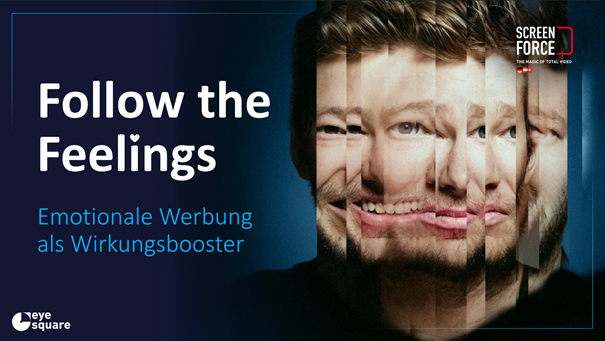
STRONG EMOTIONS LEAD TO STRONG RESULTS, SAYS NEW SCREENFORCE STUDY
14. 6. 2026 | 5 min read The new Screenforce study, entitled Follow the Feelings – Emotional Advertising as an Effectiveness Booster, explores the full spectrum of emotions, their practical significance and a detailed understanding of creative approaches to advertising.

AN AD THAT WAITS UNTIL YOU TAKE A BREAK. PAUSE ADS TURN VIEWING BREAKS INTO A NEW ADVERTISING SPACE
4. 6. 2026 | 12 min read Streaming platforms and online TV services are looking for ways to monetise advertising without making the viewing experience unpleasant for audiences. One of the solutions is pause ads: advertisements that do not interrupt the action itself but appear only when the viewer pauses playback. At first glance, this unobtrusive format neatly illustrates where the entire advertising business is heading: towards greater interactivity, contextual relevance, and the search for a fine line between relevance and overload.

APPLE SPENDS THE MOST, BUT OTHERS ARE GRABBING THE LIMELIGHT. WHAT DETERMINES A VIEWER’S VALUE?
31. 5. 2026 | 3 min read The highest investment in content does not automatically translate into the greatest audience attention. At the same time, streaming platforms are beginning to shift their perspective on their most valuable customers. Viewers who watch adverts and spend more time engaging with content are becoming increasingly valuable.