
Most-read topics:
all GroupM VOD creativity efficiency aktv TV Nova TV Prima linear television attention AI QR
REPORT: THE ONLY THING BIGGER THAN NFL TV ADS ARE NFL STREAMING ADS
22. 8. 2025 | 7 min read New data from EDO finds that ads during football games on Peacock, Netflix, and Amazon last year were more effective than in-game linear.

SIR JOHN HEGARTY FOR GTVG ON THE POWER OF CREATIVITY
4. 8. 2025 | 7 min read Few figures have shaped modern advertising as profoundly as Sir John Hegarty. From co-founding Bartle Bogle Hegarty to producing some of the most iconic TV ads of the last half-century, his work has consistently championed the power of creativity to move people and markets. As brands today navigate an increasingly data-driven landscape, Sir John remains a powerful advocate for the human truths and emotional insights that lie at the heart of great advertising. We asked him to share his thoughts on creativity, the enduring role of television, and how the industry must evolve without losing its soul.

PEOPLE LOSING TRUST IN SOCIAL MEDIA AS DISINFORMATION SPREADS
30. 7. 2025 | 2 min read The trust gap between legacy media and social media is growing, as disinformation, fake news, and a lack of regulation knocks people’s confidence in creator-led content, research finds.

ADS GRABBING AND SUSTAINING ATTENTION ARE THE KEY TO BUSINESS SUCCESS
20. 7. 2025 | 6 min read Consumer attention matters more than ever. People are bombarded with thousands of ads and messages daily—and most get ignored. In a world of endless distractions, advertisers’ ability to grab and sustain attention is the key to driving real brand impact. Interesting insights in this regard came from the 2025 Uber Advertising Attention study, which focused on the ability of ads within the Uber app to capture attention.
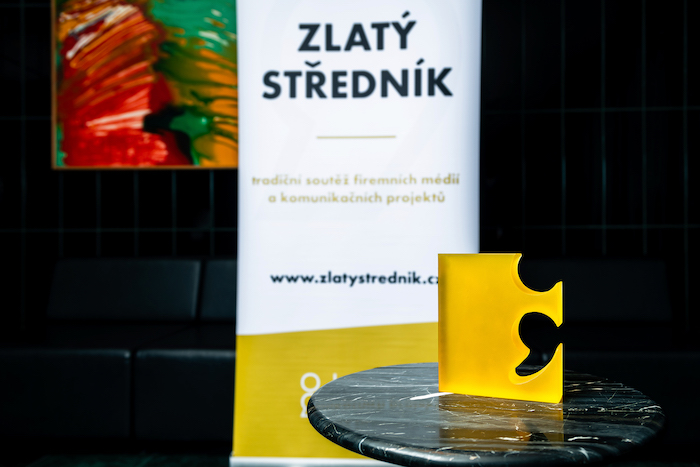
ZLATÝ STŘEDNÍK PUBLISHES SHORTLIST, MSL LEADS THE WAY
26. 6. 2025 | 2 min read Zlatý středník has announced the finalists for its 23rd annual awards. MSL Czech Republic received the most nominations, while Jsme Fér and Plzeňský Prazdroj received the most nominations from clients.

MUSIC THAT SELLS: AC/DC, THE ROLLING STONES AND QUEEN IN TV ADVERTISING
21. 6. 2025 | 9 min read The rock anthems that once shook concert halls are now blasting from TV screens as part of advertising campaigns designed to grab attention from the very first note. Famous songs lend brands image, emotion and credibility, becoming a bridge between the product and the audience. For World Music Day, let's take a look at the role music plays in advertising.

COMING UP LATER: THE EYEWATERING COST OF DULL MEDIA
13. 6. 2025 | 2 min read Dull ads cost companies millions of dollars to achieve the same effect – now, new research to be presented today at Cannes Lions by eatbigfish’s Adam Morgan and Dr. Karen Nelson-Field examines and quantifies the silent drain on our budgets caused by dull media formats. Why dull matters As Adam Morgan explained at last year’s festival, most ads are dull. The whole lot of nothing that they make people feel costs real money – an average of £10m, according to a 2023 piece of work by Peter Field.

ADVERTISING DELIVERS NEARLY 3X RETURN ON INVESTMENT
12. 6. 2025 | 2 min read Companies that invest 3% of their revenue in advertising see an 8.7% contribution to total sales – a near 3x ROI, according to Gain Theory.

MORE THAN JUST PROMOTION: HOW ADVERTISING CAN CREATE VALUE
31. 5. 2025 | 3 min read Advertising can do much more than just increase sales. Brand support is and will continue to be a valuable tool that enriches the lives of both people and brands – starting with creating an emotional connection, through premium pricing, to embedding the brand within culture.

STUDY WARC: WHAT MARKETERS NEED TO KNOW ABOUT RAISING BRAND AWARENESS
30. 5. 2025 | 2 min read Brand awareness might be seen as a “fuzzy” metric – it doesn’t help that it’s often used as a proxy for “top-of-funnel” goals, for example – but it can be a valuable goal in itself and a success indicator for marketers, boosting both ROAS and sales.

ATRESMEDIA PUBLICIDAD’S FREQUENCY OPTIMISER
21. 5. 2025 Frequency Optimization in Connected TV Advertising Atresmedia Publicidad has introduced the Frequency Optimizer, a new technology solution aimed at improving the effectiveness and efficiency of advertising in connected television (CTV). The system utilizes HbbTV (Hybrid Broadcast Broadband TV) technology and a sophisticated ad-serving platform to manage and control ad frequency in real time, an advancement not previously achievable in linear television. This development responds to current challenges in the advertising market, particularly overexposure and the non-optimal distribution of contacts. Offering a new model for frequency management, enhances both campaign performance and viewer experience.

A VEVO & CHANNEL 4 STUDY – UNLOCKING THE POWER OF PREMIUM
17. 4. 2025 Amid ongoing industry discussions around the definition of premium content and the role of global streaming platforms within the broader “TV” ecosystem, Vevo, the world’s leading music video network, which distributes the largest network of premium music channels on YouTube, has released a new study. The research conducted by Amplified Intelligence offers valuable insights into the effect of heightened attention that premium content demands, no matter the platform of delivery.

BATTLES ON THE CATWALK AND TV SCREEN: ADVERTISING BATTLES BETWEEN FASHION GIANTS ZARA AND H&M
10. 4. 2025 | 9 min read In the world of fashion, it’s no longer just about what hangs on the rack. Brands compete for attention in a world overwhelmed by advertising, fast fashion and ever-changing trends. The TV campaign is becoming a tool to stand out from the crowd, engage customers and convince them of the brand’s meaning and value. Zara and H&M have completely different strategies. And perhaps it is these differences that hold the key to their success.

BRAND BATTLES IN THE AUTOMOTIVE INDUSTRY: BMW, MERCEDES AND TESLA
31. 3. 2025 | 11 min read The automotive industry is one of the most competitive sectors in the world. As a result, the battle between brands for customer favour doesn’t just take place on racetracks, but mainly in the advertising industry. Gone are the days when it was enough to show a beautiful woman casually leaning against a shiny car to draw long lines outside car dealerships. Nowadays, when car manufacturers are fighting over customers, direct advertising confrontations are increasingly common.

STUDY USA. POSITIVE AD ENVIRONMENTS BOOST PERFORMANCE AND CONSUMER INTENTION
29. 3. 2025 | 3 min read Ads on a positively viewed platform are more effective regarding purchase intent, brand favorability and preference, according to the latest research from MAGNA and Pinterest.

BUILDING BRANDS THAT MATTER: LESSONS FROM A DECADE OF THE WORLD’S MOST EFFECTIVE CAMPAIGNS
27. 3. 2025 | 3 min read As WARC’s Rankings season comes to an end we’ve taken a deep dive into the state of sustainability campaigns over the last decade. A new report, Sustainability in the WARC Effective 100, in partnership with sustainability marketing expert Thomas Kolster, explores how sustainability work – whether defined as social or environmental – shows up in ten years of the Effective 100 Rankings (2014-24).

THE MAGIC OF REPETITION: MAXIMISING THE IMPACT OF ADVERTISING
26. 3. 2025 In a world where distractions are everywhere, grabbing consumers’ attention feels like trying to catch lightning in a bottle. From scrolling through social media while watching TV to listening to the radio while driving, consumers are often distracted. This presents a unique challenge for advertisers: how can we connect with an audience immersed in multitasking? The answer, it turns out, lies in repetition.

MULTISCREEN TV’S ‘WINNING HAND’: PERFORMANCE + TRANSPARENCY = BUSINESS SUCCESS
26. 3. 2025 | 5 min read Multiscreen TV: Smart, Strategic and Seriously Effective Marketers are constantly seeking ways to maximize impact, build trust and drive measurable business outcomes. The solution isn’t a gamble – it’s a sure bet when making a strategic investment in multiscreen TV. With its professionally produced content, unmatched audience engagement and brand-safe environment, multiscreen TV delivers results that brands can bet on.