
Most-read topics:
all GroupM VOD creativity efficiency aktv TV Nova TV Prima linear television attention AI QR
WATCH THE 6 ADS COMPETING FOR AN EMMY THIS YEAR
9. 7. 2026 | 2 min read Nike, Adidas, and Apple lead the race for Outstanding Commercial at the 2026 Emmy Awards.

WORLD CUP BRAND ADS GETTING HIGHER ‘ATTENTION’
2. 7. 2026 | 2 min read Nearly three weeks into the 2026 FIFA World Cup, TV advertisers are seemingly getting a major bang for their national TV ad spend with higher "attention" scores for their messaging, according to iSpot.

FIFA WORLD CUP: VIEWERS REMEMBER MORE THAN JUST THE GOALS. LINKING UP WITH ADVERTISING PAYS OFF FOR BRANDS!
12. 6. 2026 | 10 min read Gooaaal! From the windows of homes comes a chorus of cheers, sweeping through the city like a roaring wave. Everyday life stops for a few seconds. At that moment, football is not just a game, but a shared ritual full of tension, emotion and moments that viewers remember long after the final whistle. And advertising enters this incredible atmosphere — not as an ordinary break between events on the pitch, but as part of an experience that can connect a brand with joy, victory and fan passion.

BRANDS BELOVED BY PEOPLE RISK BEING INVISIBLE TO AI
2. 4. 2026 | 5 min read Nike and Starbucks didn't overhaul their identities with AI in mind, but the algorithm will reward them.

NOSTALGIA LEVEL: MAX. HOW DO RETRO ADS WIN CUSTOMERS’ HEARTS?
25. 8. 2025 | 16 min read Memories of the good old days are both enjoyable and highly impactful – something brands eagerly leverage in their marketing. Nostalgia is one of the major marketing trends of 2025 and can connect consumers with the past, evoke positive emotions and create a deeper relationship with the brand. Advertisements referring to the popular culture of past decades, retro visuals or iconic slogans act as a kind of time machine, transporting viewers back to moments stored deep in their memory. Some brands, such as Coca-Cola, Nintendo and Volkswagen, have long relied on nostalgia and made it a key part of their identity. In times of rapid technological progress and uncertainty, retro marketing offers a safe haven – and an effective way to reach different generations. How do companies draw inspiration from the past, and why does this approach work so well?

THE BIG BRAND BATTLES: NOSTALGIA, COMPARISON, AND PROVOCATION WORK WELL IN ADVERTISING WARS
24. 3. 2025 | 5 min read At first glance, it might seem that the global market is vast, with enough room for everyone. In a utopian world, each brand would peacefully claim its share of the market and leave the rest for others. Sounds funny, right? In reality, when two or three strong brands meet in a certain market segment, they go head-to-head. There is only one spot in the sun, and while there doesn’t have to be just one winner, anyone who hesitates may find with dread that they are not among the top players but at the bottom.

IS A BRIGHTER FUTURE COMING? WITH A TOUCH OF EXAGGERATION, MIND POSITIVITY IN TV ADVERTISING AIMS TO OFFER A MANUAL TO HAPPINESS
20. 3. 2025 | 11 min read Every year, the International Day of Happiness is a reminder of the important role positivity plays in everyday life – and the advertising world is no exception. For some time now, mind positivity has become a key strategy for brands willing to reach customers not only effectively but also with emotions that leave a lasting impression. How can joy, hope, and authenticity turn advertising into inspiration and build loyalty?
WHO ‘WON’ THE ADVERTISING SUPER BOWL? IT DEPENDS
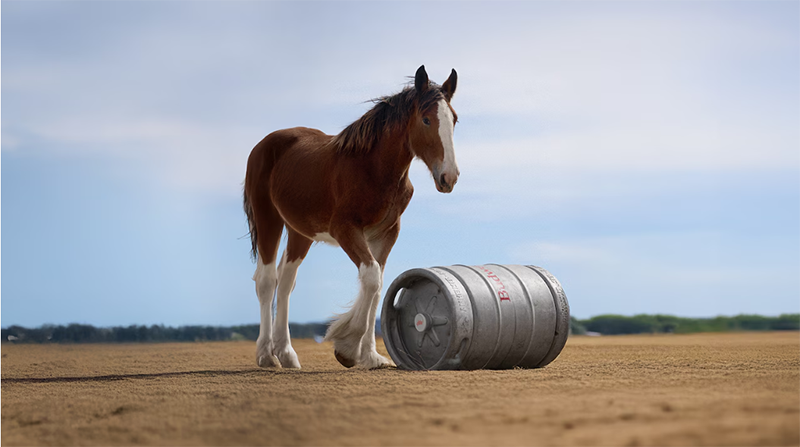
10. 2. 2025 | 5 min read Budweiser, Lay’s, T-Mobile and Nike could all claim to have “won” the advertising Super Bowl – depending on who you ask and what was being measured. These were winning brands according to some Monday morning post-game analyses.

WHAT VALUE ARE YOU CREATING FOR YOUR CUSTOMERS?
31. 1. 2025 | 2 min read Creativity has a pivotal role to play in value creation, but today we need a broader definition of creativity – one that enshrines the belief that “it’s only creative if it creates value” and views the whole brand through the lens of customer experience. Why value matters Customers are the life blood of a business. Creating more valuable experiences for customers creates more value for brands. With this in mind, customer experience should not be a siloed discipline; it should actually be the lens through which everything is viewed. In context Negative customer experiences are on the rise, so much so that one of the words of 2024 was “enshittification”, a term coined by Cory Doctorow to explain the demise in quality experiences, particularly in the digital realm.
ART IN ADVERTISING: A FEW TONES CAN CHANGE EVERYTHING. CLASSICAL MUSIC IS A TIME-PROVEN CHOICE
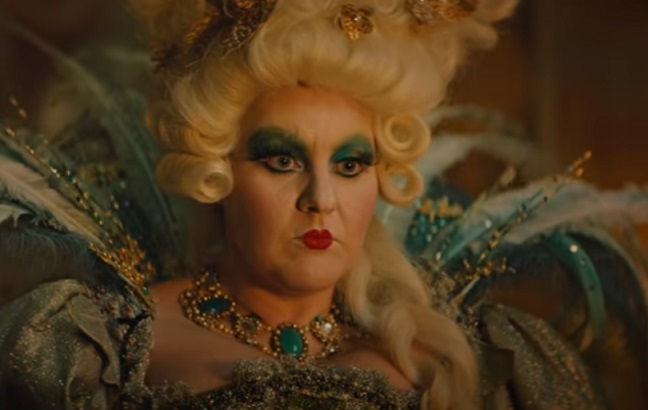
15. 8. 2024 | 6 min read Mozart and Wagner, Strauss or Vivaldi. In their desire to captivate the audience and evoke emotions, advertisers and the creative agencies they approach do not hesitate to draw on the proven history of music. Advertising without music is like heaven without stars. And why not capitalise on the fame of the oldest artists? Music and emotions The use of music in advertising has good reasons, even scientifically based. Scientists have shown that humans use the same parts of the brain to process music as they do for memory and emotion. It is natural for the human brain to associate certain types of music with an object, place, or person.

UNDER THE FIVE OLYMPIC RINGS. GAME-CHANGING TV ADS
9. 8. 2024 | 12 min read The 2024 Summer Olympics in Paris are slowly heading towards the Closing Ceremony. As we already know, the Olympics are not only the pinnacle of professional athletes’ careers but also a very rewarding time for marketers to present their revolutionary ideas. World-renowned brands have always used and continue to use the emotional power of sport at Games time to spread positive values and connect people across continents. Olympic history is full of memorable ads that have not only defined global marketing but have also co-shaped the international Olympic movement. What are some of the most memorable ones? Coca-Cola – Celebrate Humanity (1996) When Atlanta, Georgia, hosted the 1996 Summer Olympics, it was widely expected that one of the largest global companies having its headquarters in the metropolis, Coca-Cola, would be heavily involved in the process. And indeed, the 1996 Olympic Games went down in marketing history as the “Coca-Cola Games”. The Coca-Cola Olympic City where some of the Olympic sports could be watched in virtual reality was clear evidence that the company, one of the oldest Olympic sponsors, was certainly not underestimating this opportunity. The company also launched its Celebrate Humanity campaign to mark the occasion and, predominantly, celebrate humanity and joy. The campaign’s message was presented through emotive stories and visuals that showed the athletes and their paths to success. The individual spots consisted of authentic footage from the Olympic Games, inspirational music and voiceovers, which were combined with images of the athletes and emotional moments from the Games. And, of course, localisation for each national market was an important element. The advertising spots were one of the most important elements of the campaign – they included inspirational quotes from athletes and worked with authentic footage from past Games. As a result, Celebrate Humanity has become an Olympic benchmark for Coca-Cola, and there is perhaps not a single Olympic ad that doesn’t take at least a small nod to this legendary campaign.

DISCOVER HOW YOUR BRAND’S STORYTELLING TRANSFORMS ITS POSITIONING.
9. 7. 2023 | 6 min read Every brand has a story to tell — a narrative that breathes life into its purpose, values, and aspirations. In the realm of brand positioning, this narrative becomes the driving force behind success. It holds the key to connecting with consumers, establishing a unique position in the market, and leaving an indelible mark in the hearts of its audience.

DAN WIEDEN – THE CREATIVE MIND BEHIND THE BIGGEST BRANDS
21. 4. 2023 | 8 min read What comes to mind when you hear the slogan “Just do it”? Or “The man your man could smell like”? Nike and Old Spice - the brands that are inherently associated with them certainly spring to mind. But what was the path to their creation and who is behind the unique identity of these brands? We’re introducing Dan Wieden, the creative mind behind them.

HOW THE POWER OF MUSIC DRIVES EMOTION, RETENTION IN AD SPOTS
27. 2. 2023 | 5 min read We all know the drill, and we’re all guilty as charged: The commercials come on and the phones come out. Now, more than ever (other than the Super Bowl), there is little to no incentive for viewers to pay attention to ads, be they on live TV, streaming or FAST channels. A 2022 study published in Marketing Science analyzed 4 million ad exposures across a year and found that although the vast majority—70% of viewers—technically were exposed to the ads, the research revealed that they’re doing everything and anything to avoid watching the commercials. While older viewers change channels, millennial and Gen Z audiences tend to check their phones, tablets or laptops during commercial breaks.