
Most-read topics:
all GroupM VOD creativity efficiency aktv TV Nova TV Prima linear television attention AI QR
SUMMER-FLAVOURED TV ADS: FASHION BRAND SPOTS ARE ALL ABOUT FLOWING SKIRTS AND ROMANCE
31. 7. 2025 | 9 min read Fashion brands use the summer season to present themselves to customers in an emotive light. Their summer campaigns often depict an ideal world where every outfit fits naturally into a perfect holiday day filled with the scent of sun and sea. Television adverts are usually visually impressive, often accompanied by catchy music and dynamic editing that evokes movement and life. In summer more than ever, fashion is part of lifestyle – and advertising knows how to take advantage of this.
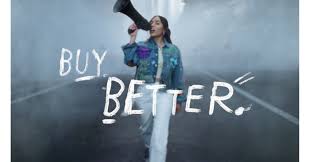
WHEN FASHION SLOWS DOWN: HOW CAN BRANDS COMMUNICATE SUSTAINABILITY WITHOUT OVERUSING WORDS LIKE ‘ECO’ AND ‘GREEN’
25. 7. 2025 | 12 min read Slow fashion is no longer just a manufacturing philosophy – it is becoming a new language of fashion communication. Whereas seasonal trends once dominated advertising, today more and more brands are leaning towards a calmer, more thoughtful narrative. Instead of products, they present stories; instead of sales, they show manufacturing processes. Campaigns feature documentary aesthetics, quiet activism and artistic installations. Sustainability is not just a theme here, but also a form of expression – based on authenticity, a relationship with clothing and respect for time. This is where the inspiration for marketers lies: that less can mean more if a brand decides to speak clearly, honestly and with confidence in the intelligence of its audience. H&M – Conscious Collection (2011) Swedish clothing company H&M is considered one of the leaders in the global fast fashion scene, so it comes as no surprise that, like other companies in a similar position, it faced growing criticism for its negative environmental footprint with the arrival of the new century. The long-term Conscious Collection campaign, first launched in 2011, thus fulfils two key objectives: firstly, it responds to the criticism, and secondly, it seeks to appeal to new generations of customers who think fundamentally differently about sustainability than their predecessors. As part of this campaign, H&M launches a collection made from sustainable materials every year, seeking to demonstrate that even fast fashion can be conscious. Visually, the campaign draws on the aesthetics of high fashion editorials and haute couture: the spots are dominated by detailed shots of textures, slow-motion images of the production process and natural motifs that contrast with the modern cut of the clothing. Over time, the basic collection has been complemented by the premium Conscious Exclusive line, which relies on short fashion films featuring leading international models such as Giedrė Dukauskaitė and Rianne Van Rompaey for its promotion. H&M clothing is commonly perceived as an affordable alternative, and with these campaigns, the company is trying to show that it can offer something more.

BATTLES ON THE CATWALK AND TV SCREEN: ADVERTISING BATTLES BETWEEN FASHION GIANTS ZARA AND H&M
10. 4. 2025 | 9 min read In the world of fashion, it’s no longer just about what hangs on the rack. Brands compete for attention in a world overwhelmed by advertising, fast fashion and ever-changing trends. The TV campaign is becoming a tool to stand out from the crowd, engage customers and convince them of the brand’s meaning and value. Zara and H&M have completely different strategies. And perhaps it is these differences that hold the key to their success.
PRINCESSES, FROGS AND GENIES IN ADVERTISING: FOREIGN BRANDS LOVE FAIRY TALES
16. 1. 2025 | 7 min read Fairy tales accompany us throughout our lives. In childhood, they carry us away on waves of imagination, in adulthood, we tell fairy tales to our children and grandchildren to simply explain the difference between good and evil and to pass on to them the values of life. In addition, fairy tales are a great element for advertising because they help consumers make an emotional and personal connection with brands. And that’s why fairy tale themes have been found across modern advertising in various forms for a very long time.