
Most-read topics:
all GroupM VOD creativity efficiency aktv TV Nova TV Prima linear television attention AI QR
WHEN AN ALTERNATIVE CEASES TO BE AN ALTERNATIVE. WHY PLANT-BASED MARKETING SHOULD INSPIRE THE REST OF THE MARKET
3. 11. 2025 | 12 min read World Vegan Day is now behind us — and today it serves as a reminder not only of growing interest in sustainability, but also of a transformation in the language of advertising itself. Plant-based brands have shown that communication does not need to be built on guilt or activism. It is far more effective to talk about taste, habit, and choice. Campaigns that only recently targeted a narrow group of the already convinced have become fully fledged examples of modern brand communication. What they have in common is simplicity, a positive tone, and the ability to translate an ethical issue into an everyday context. Plant-based products no longer represent an alternative, but a new way of thinking about marketing itself. An alternative becomes a vision of the future In 2020, the American company Beyond Meat decided to completely overhaul its existing marketing strategy. The goal was to promote plant-based meat as a product suitable for mainstream consumers. This also involved a shift away from a narrative based on moralising (“you must”) toward one emphasising choice (“what if”). The result was the company’s first-ever nationwide television commercial, “What If We All Go Beyond?”, which aired in the United States on 3 August 2020 on Spectrum SportsNet during a game between the Los Angeles Lakers and the Utah Jazz.

KIDNAPPED M&M’S OR VAMPIRES IN A BURGER JOINT. THE SEASON OF SCARY COMMERCIALS IS COMING TO AN END
26. 10. 2025 | 4 min read With October's Haunted Holiday, or Halloween, comes the opportunity for themed campaigns. Well-known and lesser-known brands alike are dressing up in spooky graphics, inviting monsters into restaurants, bringing old faces to life or playing with ghosts.

THE REAL BATTLE FOR TV’S FUTURE ISN’T CONTENT. IT’S TRUST
23. 10. 2025 | 6 min read As AI makes it easier to fake, fabricate and flood our feeds, audiences won’t just ask “Is this video good?” — they’ll ask “Is this video even real?” Why TV values still matter in the streaming age Hello everyone — my name is Omar Oakes, a journalist and commentator who is obsessed with the business of media and advertising and how they intersect with power.
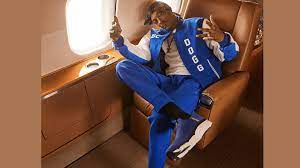
SNOOP DOGG TURNS 53 — AND STILL PROVES AUTHENTICITY IS THE BEST MARKETING
20. 10. 2025 | 12 min read On 20 October, Snoop Dogg celebrated his 53rd birthday — calmly, humorously, and with the effortless detachment that has become his trademark. The rapper who helped define the sound of West Coast gangsta rap in the 1990s has become a living brand and a cultural institution. His voice, style, and irony long ago crossed the boundaries of music, transforming him into a figure who can sell sneakers, food delivery, or an entire philosophy of life with equal ease. For marketers, Snoop Dogg is the perfect example of authenticity in practice. In every campaign, he preserves his own rhythm, language, and humour — he never pretends to be something he is not. And that is precisely why his commercials still feel alive even years later: they are not ads about Snoop, but ads that speak in his voice. Cool Comfort Snoop’s public image has always been tied to a generous dose of unrestrained hedonism. Over time, the rapper became the voice of pleasure, comfort, and laid-back perspective — a persona that has been used in more than one advertising campaign. In these campaigns, Snoop usually appears as the viewer’s guide and as an ambassador for products guaranteed to make life more enjoyable. A textbook example of this stylisation is undoubtedly the Did Somebody Say campaign for the food delivery service Just Eat (known in other countries as Menulog or Grubhub). It is a model example of how high-quality food-delivery marketing should be done.

HORROR ENTERTAINING CONSUMERS: TV ADS INSPIRED BY DRACULA
18. 10. 2025 | 8 min read Halloween, the beloved season full of ghosts and ghouls, is just around the corner. Who doesn’t know Dracula, for example? Marketers are well aware of the global fame of the legendary vampire, and they’ve been using his iconic image and vampire symbolism to boost sales for decades — and for good reason. His image is instantly recognisable and universally understood. Now, with the release of the new film Dracula: A Love Tale, the vampire theme is back in the spotlight. It brings suspense, exaggeration, and humour to campaigns, and has the power to appeal to audiences of all ages. For advertisers, it’s a great opportunity to stand out and leave a lasting impression on viewers.

PERSONAL FINANCE DOESN’T HAVE TO BE BORING. TV ADS REPEATEDLY DEBUNK THIS MYTH
8. 9. 2025 | 10 min read Who says financial literacy is boring? It may seem like an unexciting topic – numbers, savings, budgets – but despite that, it has become one of the liveliest genres in television advertising. Sometimes it takes a serious tone, other times it relies on humour or emotion, but it always aims at one thing: to show that money isn’t a distant world of experts but an everyday reality for all of us. These stories demonstrate that advertising can do more than sell – it can teach us to reflect on values, responsibility, and the future. And the marketing of global financial institutions has been proving this for decades.

SUMMER-FLAVOURED TV ADVERTISING: AD SPOTS FILLED WITH SUN, SEA AND CHEERFUL VIBES ENCOURAGE SHOPPING
2. 9. 2025 | 6 min read Summer has come to an end, but even a few rays of sunshine can keep the summer mood alive. The flood of summer-themed TV commercials is gradually fading, and so is the effort by brands to tap into the specific consumer behaviour typical of the warmest season of the year—one devoted to experiences and relaxation.
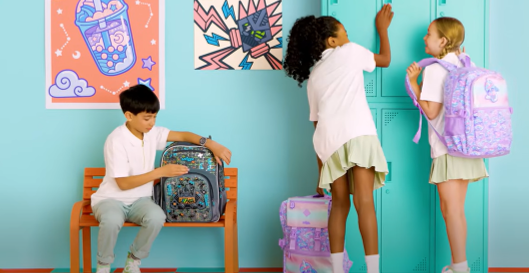
THE SCHOOL YEAR BEGINS IN AUGUST ON TV SCREENS. WHAT DO EDUCATIONAL ADS TELL US ABOUT SOCIAL VALUES – AND ABOUT OURSELVES?
30. 8. 2025 | 13 min read Television campaigns focused on education no longer promote only crayons, backpacks and university brochures. Instead, they have become a tool for presenting universal social values, parental ambitions and cultural identity. From Target’s musical spectacle in the US to the digital revolution of India’s Byju’s to the film-style public campaign of the French Ministry of Education, education is now more than just a product in advertising. In the Czech environment, we are still keeping our feet on the ground, but this may be a call for positive change.

STADIUMS AS SUMMER ADVERTISING LABS. THE IMPACT OF MEGA SPORTS EVENTS ON BRAND MARKETING
29. 8. 2025 | 12 min read The biggest summer sporting events are not just competitions for trophies. There are also moments when advertising becomes a pop culture event. Wimbledon, the Tour de France, the US Open, the EURO and Formula 1 are not only the highlights of the sporting season but also comprehensive advertising laboratories. Each of these events offers a completely different media space – from the aristocratic minimalism of Wimbledon to the pop culture spectacle of the US Open to the technology-oriented branding of Formula 1. The common denominator is the effort of brands to achieve deeper audience engagement through new formats, digitalisation and personalised experiences. It is no longer just about reaching an audience – the goal is to create a cultural moment that resonates across channels, generations and markets. The Tour de France and the power of film aesthetics For many years, the Tour de France has rightly maintained its reputation as the largest and most-watched cycling race in the world. This Grand Tour, which takes place every July, is not only a sporting event but also a global advertising platform where many brands test the effectiveness of innovative formats. Live broadcasts of the Tour are provided by more than a hundred television stations in over 190 countries around the world, with a cumulative audience of over 3.5 billion viewers. The individual stages are filmed from the air, from motorcycles and from stationary cameras, making the Tour an ideal space for advertising and product placement. The race thus boasts a distinctive cinematic aesthetic.

NOSTALGIA LEVEL: MAX. HOW DO RETRO ADS WIN CUSTOMERS’ HEARTS?
25. 8. 2025 | 16 min read Memories of the good old days are both enjoyable and highly impactful – something brands eagerly leverage in their marketing. Nostalgia is one of the major marketing trends of 2025 and can connect consumers with the past, evoke positive emotions and create a deeper relationship with the brand. Advertisements referring to the popular culture of past decades, retro visuals or iconic slogans act as a kind of time machine, transporting viewers back to moments stored deep in their memory. Some brands, such as Coca-Cola, Nintendo and Volkswagen, have long relied on nostalgia and made it a key part of their identity. In times of rapid technological progress and uncertainty, retro marketing offers a safe haven – and an effective way to reach different generations. How do companies draw inspiration from the past, and why does this approach work so well?
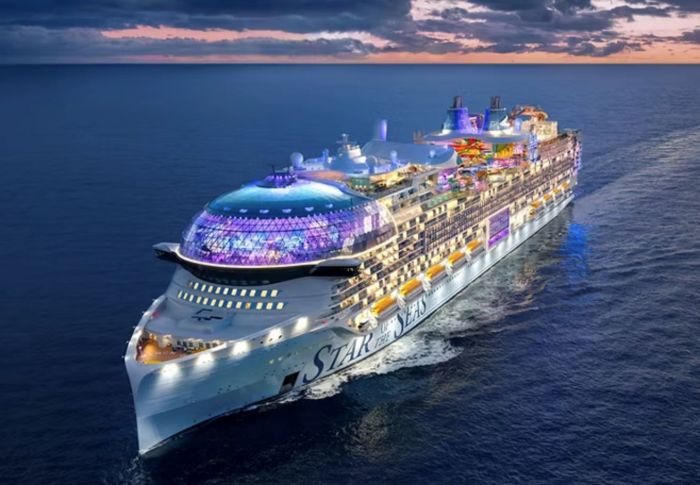
SUMMER-FLAVOURED TV ADS: THE MOST ROMANTIC HOLIDAYS, THE WILDEST FUN. TRAVEL AGENCIES AND AIRLINES COMPETE FOR CUSTOMERS WITH TV AD SPOTS
8. 8. 2025 | 10 min read At the end of spring, when memories of winter holidays in the mountains have melted away like snowflakes in the sun, the days after months of hard work seem to blend into one another, and our energy is dwindling alarmingly, the idea of a holiday becomes a light at the end of the tunnel. Summer is much more than just a season – it is a state of mind when we crave more intense experiences, want to try new things, and long to travel and discover. At first glance, it might seem that travel agencies, airlines and tourist organisations have us – potential customers, craving tropical destinations and unusual experiences – in the palm of their hand. But it's not that simple. Standing out from the crowd of competitors is often a challenge even for marketing masters.

ALMOST AN ANIMAL INSTINCT. WHAT DOES IT LOOK LIKE WHEN ANIMALS SEEM BETTER OFF THAN HUMANS IN A TV AD?
8. 8. 2025 | 11 min read Singing cats, touching dog stories, or cute little monsters hiding under the couch — pets are simply a staple of television advertising. Adverts featuring them can build strong narratives, evoke emotions, and subtly foster a connection to the brand. In an era when marketing often relies solely on data and performance, they remind us of the power of authenticity, emotion, and imaginative storytelling. Let’s take a closer look at some of the most successful TV ads that prove the connection between brands and the animal world can be both charming to watch and surprisingly effective.

SIR JOHN HEGARTY FOR GTVG ON THE POWER OF CREATIVITY
4. 8. 2025 | 7 min read Few figures have shaped modern advertising as profoundly as Sir John Hegarty. From co-founding Bartle Bogle Hegarty to producing some of the most iconic TV ads of the last half-century, his work has consistently championed the power of creativity to move people and markets. As brands today navigate an increasingly data-driven landscape, Sir John remains a powerful advocate for the human truths and emotional insights that lie at the heart of great advertising. We asked him to share his thoughts on creativity, the enduring role of television, and how the industry must evolve without losing its soul.

SUMMER-FLAVOURED TV ADS: FASHION BRAND SPOTS ARE ALL ABOUT FLOWING SKIRTS AND ROMANCE
31. 7. 2025 | 9 min read Fashion brands use the summer season to present themselves to customers in an emotive light. Their summer campaigns often depict an ideal world where every outfit fits naturally into a perfect holiday day filled with the scent of sun and sea. Television adverts are usually visually impressive, often accompanied by catchy music and dynamic editing that evokes movement and life. In summer more than ever, fashion is part of lifestyle – and advertising knows how to take advantage of this.

SUPERMAN CAN BOOST A BRAND’S SUPERPOWERS. ALL IT TAKES IS TV ADVERTISING
31. 7. 2025 | 8 min read A new adaptation of Superman has hit theatres. Naturally, its premiere is accompanied by a wave of advertising campaigns. The iconic comic book hero offers a strong emotional impact and a universally understood symbol of good, which allows advertisers to increase brand visibility and associate their products with positive values.

“SEX SELLS.” HOW HAS THE USE OF EROTICA EVOLVED IN ADVERTISING?
30. 7. 2025 | 9 min read Oldřich Vávra from the Prague University of Economics focuses on the development of advertising in other industries, and this time he describes the history of sexuality in advertising.
WHAT DOES MARKETING SCIENCE ADVISE SMALL BRANDS TO DO, AND WHY SHOULD THEY STICK TO IT?
23. 7. 2025 | 7 min read You have a great product, there's no doubt about that. People who try it come back to you. You have good reviews. But still, no one really knows you. How is that possible, and what can you do about it? This dilemma is faced by many smaller and emerging brands, writes Vojtěch Prokeš.
SUMMER-FLAVOURED TV ADS: ROMANTIC LOVE STORY THAT MELTS EVEN THE TOUGHEST HEARTS—AND WALLETS
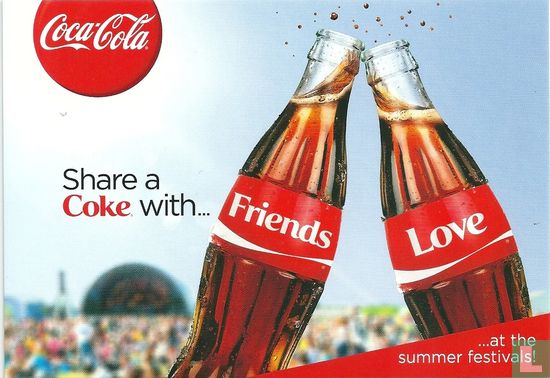
19. 7. 2025 | 8 min read Love and summer are universal themes that everyone can relate to. A first kiss at sunset, a shared drink on the beach, or playful flirting in the pool become a natural part of a brand’s story in advertising spots. Hot days, setting suns, the salty scent of the sea, and the first shy touches—these are images that instantly evoke memories and desires. A TV ad has the power to turn a few seconds on screen into an emotion that lasts all summer long.