
Most-read topics:
all GroupM VOD creativity efficiency aktv TV Nova TV Prima linear television attention AI QR
HORROR ENTERTAINING CONSUMERS: TV ADS INSPIRED BY DRACULA
18. 10. 2025 | 8 min read Halloween, the beloved season full of ghosts and ghouls, is just around the corner. Who doesn’t know Dracula, for example? Marketers are well aware of the global fame of the legendary vampire, and they’ve been using his iconic image and vampire symbolism to boost sales for decades — and for good reason. His image is instantly recognisable and universally understood. Now, with the release of the new film Dracula: A Love Tale, the vampire theme is back in the spotlight. It brings suspense, exaggeration, and humour to campaigns, and has the power to appeal to audiences of all ages. For advertisers, it’s a great opportunity to stand out and leave a lasting impression on viewers.

HOW ABSOLUT VODKA IS REDEFINING WHAT CHATGPT SAYS ABOUT THE BRAND
7. 10. 2025 | 3 min read When Absolut Vodka wanted to understand how consumers were using ChatGPT to search for mixology recommendations, it found that nearly 70% of the answers it gave never mentioned a brand at all – a huge opportunity to own this space, craft brand narratives, and leverage sources like Reddit.

PERSONAL FINANCE DOESN’T HAVE TO BE BORING. TV ADS REPEATEDLY DEBUNK THIS MYTH
8. 9. 2025 | 10 min read Who says financial literacy is boring? It may seem like an unexciting topic – numbers, savings, budgets – but despite that, it has become one of the liveliest genres in television advertising. Sometimes it takes a serious tone, other times it relies on humour or emotion, but it always aims at one thing: to show that money isn’t a distant world of experts but an everyday reality for all of us. These stories demonstrate that advertising can do more than sell – it can teach us to reflect on values, responsibility, and the future. And the marketing of global financial institutions has been proving this for decades.
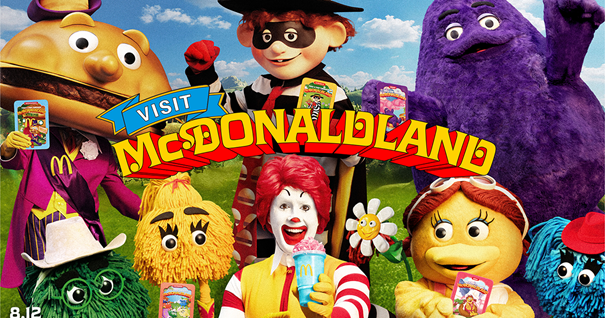
BEHIND THE WACKY AND WHIMSICAL REVIVAL OF MCDONALDLAND
31. 8. 2025 | 6 min read The nostalgic campaign continues a strategy rooted in fan truths, which is paying off for McDonald's.

NOSTALGIA LEVEL: MAX. HOW DO RETRO ADS WIN CUSTOMERS’ HEARTS?
25. 8. 2025 | 16 min read Memories of the good old days are both enjoyable and highly impactful – something brands eagerly leverage in their marketing. Nostalgia is one of the major marketing trends of 2025 and can connect consumers with the past, evoke positive emotions and create a deeper relationship with the brand. Advertisements referring to the popular culture of past decades, retro visuals or iconic slogans act as a kind of time machine, transporting viewers back to moments stored deep in their memory. Some brands, such as Coca-Cola, Nintendo and Volkswagen, have long relied on nostalgia and made it a key part of their identity. In times of rapid technological progress and uncertainty, retro marketing offers a safe haven – and an effective way to reach different generations. How do companies draw inspiration from the past, and why does this approach work so well?
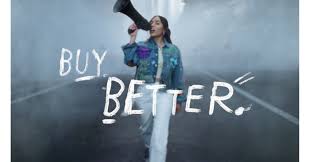
WHEN FASHION SLOWS DOWN: HOW CAN BRANDS COMMUNICATE SUSTAINABILITY WITHOUT OVERUSING WORDS LIKE ‘ECO’ AND ‘GREEN’
25. 7. 2025 | 12 min read Slow fashion is no longer just a manufacturing philosophy – it is becoming a new language of fashion communication. Whereas seasonal trends once dominated advertising, today more and more brands are leaning towards a calmer, more thoughtful narrative. Instead of products, they present stories; instead of sales, they show manufacturing processes. Campaigns feature documentary aesthetics, quiet activism and artistic installations. Sustainability is not just a theme here, but also a form of expression – based on authenticity, a relationship with clothing and respect for time. This is where the inspiration for marketers lies: that less can mean more if a brand decides to speak clearly, honestly and with confidence in the intelligence of its audience. H&M – Conscious Collection (2011) Swedish clothing company H&M is considered one of the leaders in the global fast fashion scene, so it comes as no surprise that, like other companies in a similar position, it faced growing criticism for its negative environmental footprint with the arrival of the new century. The long-term Conscious Collection campaign, first launched in 2011, thus fulfils two key objectives: firstly, it responds to the criticism, and secondly, it seeks to appeal to new generations of customers who think fundamentally differently about sustainability than their predecessors. As part of this campaign, H&M launches a collection made from sustainable materials every year, seeking to demonstrate that even fast fashion can be conscious. Visually, the campaign draws on the aesthetics of high fashion editorials and haute couture: the spots are dominated by detailed shots of textures, slow-motion images of the production process and natural motifs that contrast with the modern cut of the clothing. Over time, the basic collection has been complemented by the premium Conscious Exclusive line, which relies on short fashion films featuring leading international models such as Giedrė Dukauskaitė and Rianne Van Rompaey for its promotion. H&M clothing is commonly perceived as an affordable alternative, and with these campaigns, the company is trying to show that it can offer something more.

SUMMER-FLAVOURED TV ADS: THE MOST SPARKLING REFRESHMENT FOR THE HOTTEST DAYS
10. 7. 2025 | 8 min read Hot summers are perfect for advertising all kinds of drinks and other refreshments. What advertising strategies do the most famous brands choose, and which summer adverts are the most appealing?

BREATHTAKING ADVERTISING: DINOSAURS IN AD SPOTS INSPIRED BY JURASSIC WORLD
7. 7. 2025 | 7 min read Eager dinosaur fans have just witnessed the premiere of the new film Jurassic World: Rebirth. This event has once again stirred interest in one of the most iconic film franchises of all time. Jurassic Park is not only a phenomenon for dinosaur enthusiasts but also an endless source of inspiration for the advertising industry. This is especially true when it comes to the impressive special effects that brought prehistoric creatures to life.

MUSIC THAT SELLS: AC/DC, THE ROLLING STONES AND QUEEN IN TV ADVERTISING
21. 6. 2025 | 9 min read The rock anthems that once shook concert halls are now blasting from TV screens as part of advertising campaigns designed to grab attention from the very first note. Famous songs lend brands image, emotion and credibility, becoming a bridge between the product and the audience. For World Music Day, let's take a look at the role music plays in advertising.

BRAND BATTLES: THE GREATEST DRAMA ON TV WITHOUT ACTORS – ONLY SLOGANS AND LOGOS
25. 5. 2025 | 6 min read We know their slogans by heart. The songs that underscore their adverts get stuck in our heads, and we recognise their logos on highway billboards even in thick fog. We are talking about brands that have managed to stand out and become etched in our memory through successful advertising. However, this often comes at the price of fierce competition. They tirelessly climb the rankings to reach the top spot — often two or three major brands battling it out. And so, there’s no choice but to pull out powerful weapons, such as television advertising.
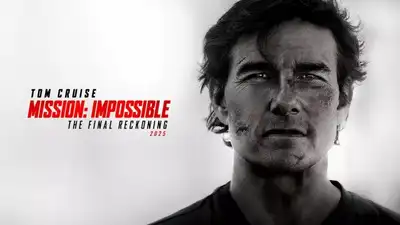
SEEMINGLY IMPOSSIBLE MARKETING MISSION CAN HAVE A HAPPY ENDING THANKS TO TV ADVERTISING AND “MISSION: IMPOSSIBLE”
25. 5. 2025 | 10 min read The film Mission: Impossible, which premiered in 1996, rightfully ranks among the iconic achievements of cinematic art. Based on the 1960s TV series, the film earned cult status thanks to its approach, Tom Cruise’s charismatic presence, nerve-wracking suspense, and top-notch action scenes. It is therefore perfectly logical that the famous “impossible mission”, in its various forms brought by the new instalments, inspires not only film fans but also the world of advertising.
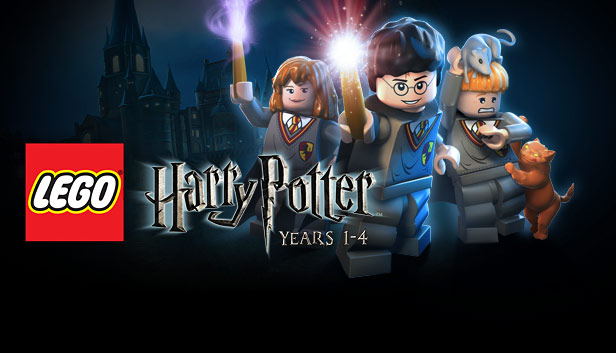
BRANDS DON’T NEED A MAGIC WAND TO SUCCEED IN BUSINESS — THEY’RE PERFECTLY HAPPY WITH HARRY POTTER
2. 5. 2025 | 8 min read Harry Potter and his magical world are symbols of the magic and fantasy behind the reality of everyday life. The idea that even an ordinary person could belong to the world of magic is appealing and inspiring to many people. But that’s not the only thing that attracts advertisers to the Harry Potter phenomenon. In particular, they are allured by strong themes such as friendship, courage, the battle between good and evil, loyalty and acceptance of difference. Brands that bet on the famous franchise can disarm the competition even without the famous Expelliarmus spell!
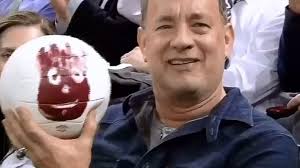
FIVE HOLLYWOOD MOMENTS THAT MADE BRANDS UNFORGETTABLE
17. 4. 2025 | 5 min read Hollywood doesn’t just write film history—it also shapes the legacy of brands. These five iconic moments helped brands achieve record-breaking sales.

BATTLES ON THE CATWALK AND TV SCREEN: ADVERTISING BATTLES BETWEEN FASHION GIANTS ZARA AND H&M
10. 4. 2025 | 9 min read In the world of fashion, it’s no longer just about what hangs on the rack. Brands compete for attention in a world overwhelmed by advertising, fast fashion and ever-changing trends. The TV campaign is becoming a tool to stand out from the crowd, engage customers and convince them of the brand’s meaning and value. Zara and H&M have completely different strategies. And perhaps it is these differences that hold the key to their success.
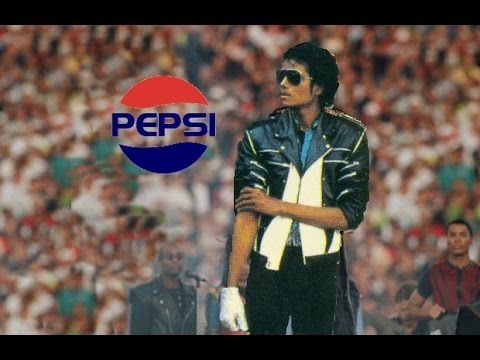
BRAND BATTLES IN THE BEVERAGE MARKET: COCA-COLA AND PEPSICO ON THE BATTLEGROUND
3. 4. 2025 | 11 min read The Cola Wars, which have been raging for over a hundred years between the iconic brands Coca-Cola and Pepsi, take place not only on store shelves but especially in advertising space. In this fight, television commercials have played a key role, becoming the main tool for building consumer loyalty and brand identity. The rivalry between the two beverage manufacturers has made its mark on advertising history. Who benefits the most from it?

BRAND BATTLES IN THE AUTOMOTIVE INDUSTRY: BMW, MERCEDES AND TESLA
31. 3. 2025 | 11 min read The automotive industry is one of the most competitive sectors in the world. As a result, the battle between brands for customer favour doesn’t just take place on racetracks, but mainly in the advertising industry. Gone are the days when it was enough to show a beautiful woman casually leaning against a shiny car to draw long lines outside car dealerships. Nowadays, when car manufacturers are fighting over customers, direct advertising confrontations are increasingly common.

BRAND BATTLES: FAST-FOOD OUTLETS MCDONALD’S, BURGER KING AND KFC USE PROVOCATION, TECHNOLOGY AND EMPHASIS ON TRADITION
27. 3. 2025 | 10 min read Competition is fierce in the fast-food sector. Each brand has completely different weapons in its arsenal. What advertising strategies are the global giants using to keep the competition at bay?

THE BIG BRAND BATTLES: NOSTALGIA, COMPARISON, AND PROVOCATION WORK WELL IN ADVERTISING WARS
24. 3. 2025 | 5 min read At first glance, it might seem that the global market is vast, with enough room for everyone. In a utopian world, each brand would peacefully claim its share of the market and leave the rest for others. Sounds funny, right? In reality, when two or three strong brands meet in a certain market segment, they go head-to-head. There is only one spot in the sun, and while there doesn’t have to be just one winner, anyone who hesitates may find with dread that they are not among the top players but at the bottom.